Last Updated on Mar 26, 2026 @ 17:23:52 PM.
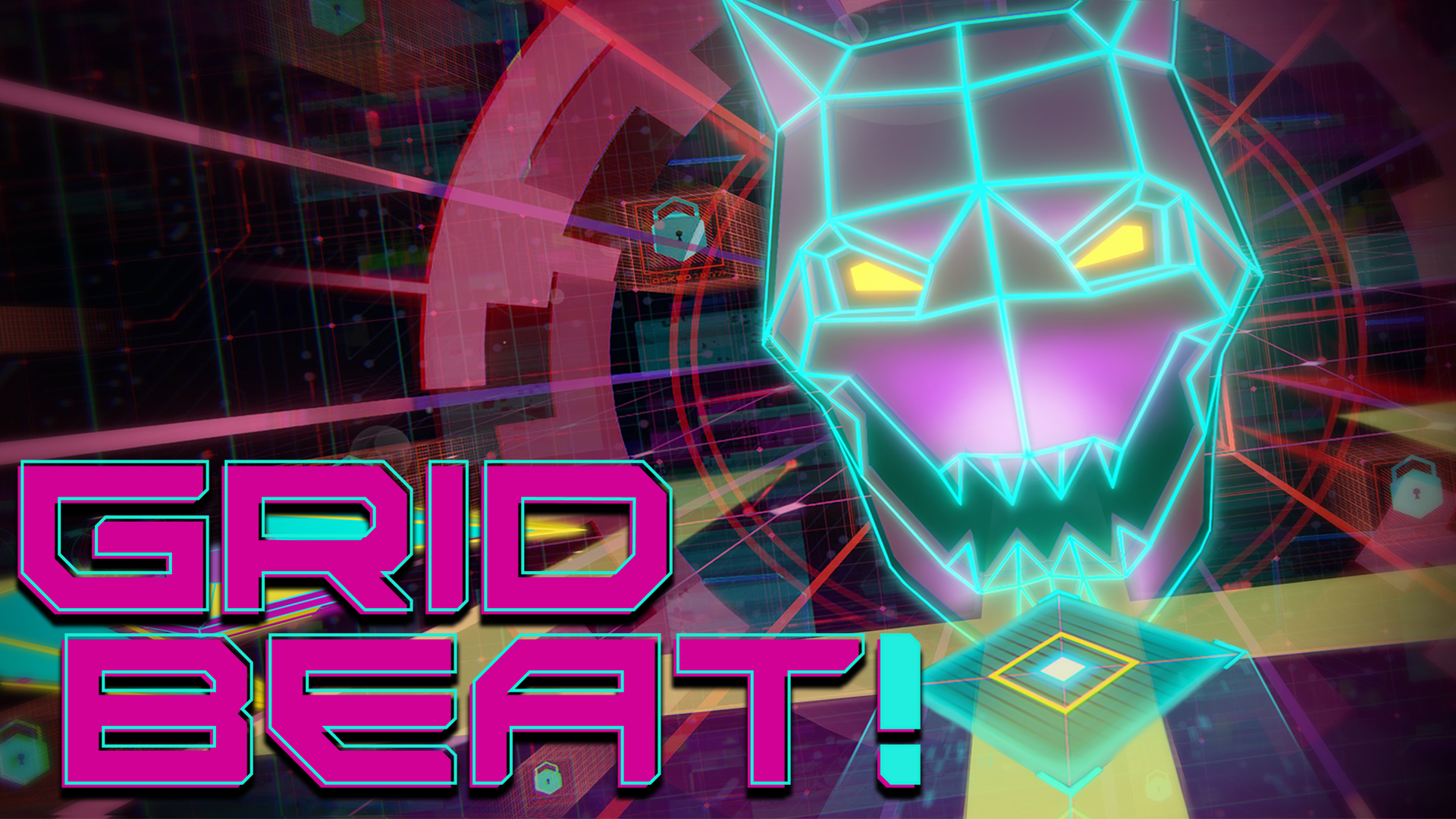
Over the past few days, I have had the opportunity to try out the brand-new game GRIDbeat!, which was released today, in which the player takes on the role of a hacker as they attempt to break through various puzzles, firewalls, and enemies and much more as they try to keep to the beat of the music.
While I played through GRIDbeat! I was able to explore the various missions that make up the game while also testing out the different abilities, delving deep into the game’s lore, and attempting to collect every item I could throughout the game.
One click and you're done. Thank you!
GRIDbeat!’s Rhythm-Based Gameplay and Musical Score are Perfectly Melded Together
One of the key parts of GRIDbeat! is its rhythm-based gameplay that tasks the player with keeping up with the beat to move around the game’s various missions while also incorporating the beat into other mechanics within the game, such as hacking, stunning enemies, and more.
What made this fun for me wasn’t simply down to the fact that the game was difficult as I tried to stay on beat, but was also down to the fact that the beat and the actual song were so entertaining that I was able to concentrate quite easily on what I was doing, what I needed to do, and how I needed to do it.
In rhythm-based games, there is always a difficult process for developers to try and find a balance between keeping the beat of the game’s gameplay and the music that accompanies it the same, or as close to it as possible, and to me, this was something that GRIDbeat! managed to do quite well.
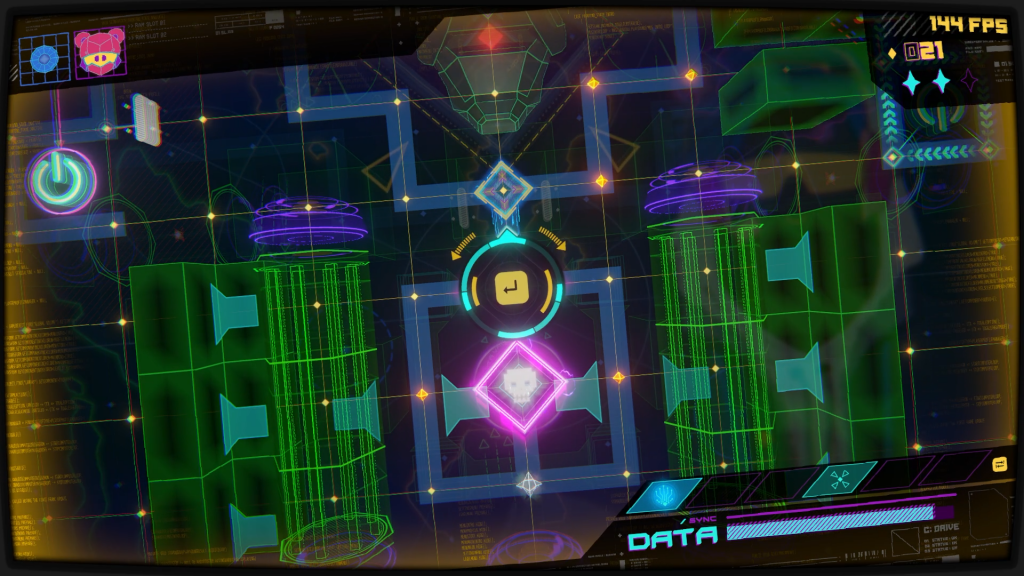
Even though I have played quite a few rhythm-based games throughout my life, I still find it to be a challenge to get to grips with keeping to a beat in these games, especially when there is very little indication to help you manage it, but I felt that GRIDbeat! helped me to manage the various sounds and beats throughout the majority of my playthrough.
While playing GRIDbeat! I often found myself using a few different tactics to keep myself on beat, both within the game and outside of it. To do this, there were two main ways I kept myself on beat with the game. The first was involved with the actual gameplay, and that is how the game’s overall world would pulse to the beat of the song, providing a visual indication of when I needed to act. This was quite effective and allowed me to visually keep to the beat without having a bar or any other indicator clogging up the screen.
Along with following the game’s pulsating world, I often found myself nodding along to the beat of the game as well in real life. Although this isn’t something that the game recommends or I found to break the game in a sense, it was just something I noticed myself doing that felt quite natural, making me feel as though I were conducting the music myself by moving my character.
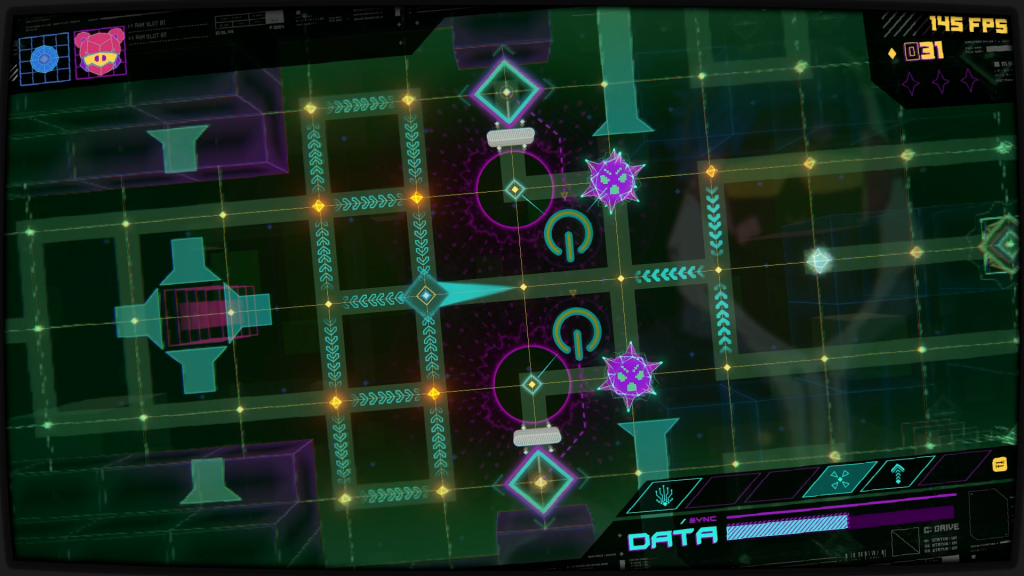
Although these two tactics were able to help me move around the game world with some ease, I did come across a problem that often threw me off, and that is the sound that happens when you pick up a collectible. When picking up a collectible, an audible indication will ping, informing you that you acquired the item in question, which, for me, was quite distracting, causing me to lose the beat on several occasions.
Sadly, this is something that is quite unavoidable in a gaming sense, as players require some form of indication that they are collecting the item in question, and having something pop onto the screen or an animation trigger without audio just wouldn’t seem right, but unfortunately, this was something that did cause me to make mistakes, especially during high-octane moments that required fast reactions and for me to keep to the beat with near perfection.
In terms of the songs that accompanied the gameplay of GRIDbeat! it is safe to say that the tone the music sets is very good, depending on the stakes of the mission. If you are going through a relatively calm mission with all the time in the world to explore and do what you need to, the music is quite standard with its pace while also generally just being good background music, while during chaotic missions where you are at risk, the music paces up, making you feel stressed but in a way that makes you perform better at the game.
To me, this was brilliant game design by the developers, as the music wouldn’t just fit the mission that you were going through, but in a small way, would slightly impact the actual pacing of your mission, the beats you needed to match, and just the overall tone of the game, with a lot of the music matching the hacker tone of the game with upbeat and fast songs rather than something slow.
GRIDbeat!’s Hacker Space is Uniquely Creative and Full of Detail
Throughout GRIDbeat!, the player is able to explore a plethora of missions that each have their own unique layouts and designs that feel fresh every time, while also ensuring the player doesn’t grow fatigued by similar layouts, secrets, or enemies lurking around each mission.
What really makes GRIDbeat!‘s world stand out is the vast amount of colors that are used throughout the game, as they make the game world explode with a splash of color that is greatly assisted by the amazing music that plays in the background.
For me, this was something that I felt the developers did really well, as combining a vast array of beautiful colors that worked well together and upbeat music that coincides with those colors was a stroke of genius, as it made me enjoy the game even more than it would have if the colors were bland and the music slow-paced.
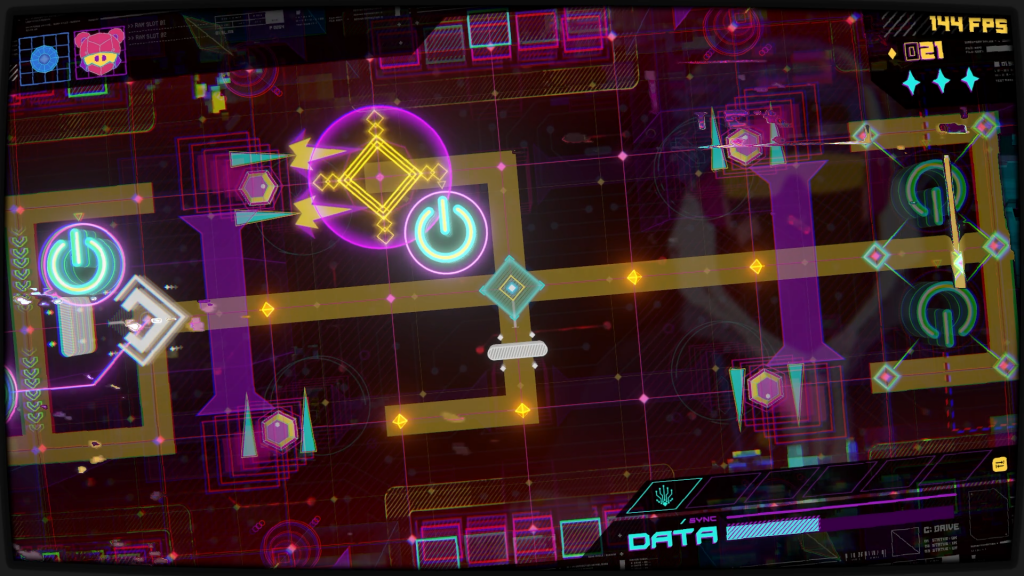
Along with the colors, the complete overall design of the game is very well done, as well as the various maps being laid out in a way that makes sense with pretty clear directions placed before the player, and with the game taking place on multiple floors within each mission and the player being able to see each floor as they pass over, it isn’t just as simple as moving from left to right but also about planning your moves above and below.
Throughout my time with GRIDbeat! I often found myself attempting to stay a few steps ahead of the game by keeping an eye on the different paths ahead of me, as there were a few occasions in which I missed a collectible or path to a secret because I was rushing rather than taking my time, especially in the normal missions, where I didn’t have to rush.
Because of this, I often found myself taking my time through the game, looking at the paths around me to make sure that I wasn’t missing anything while also ensuring that I wasn’t going to walk into a threat without being prepared to run away or to stun them if needed.
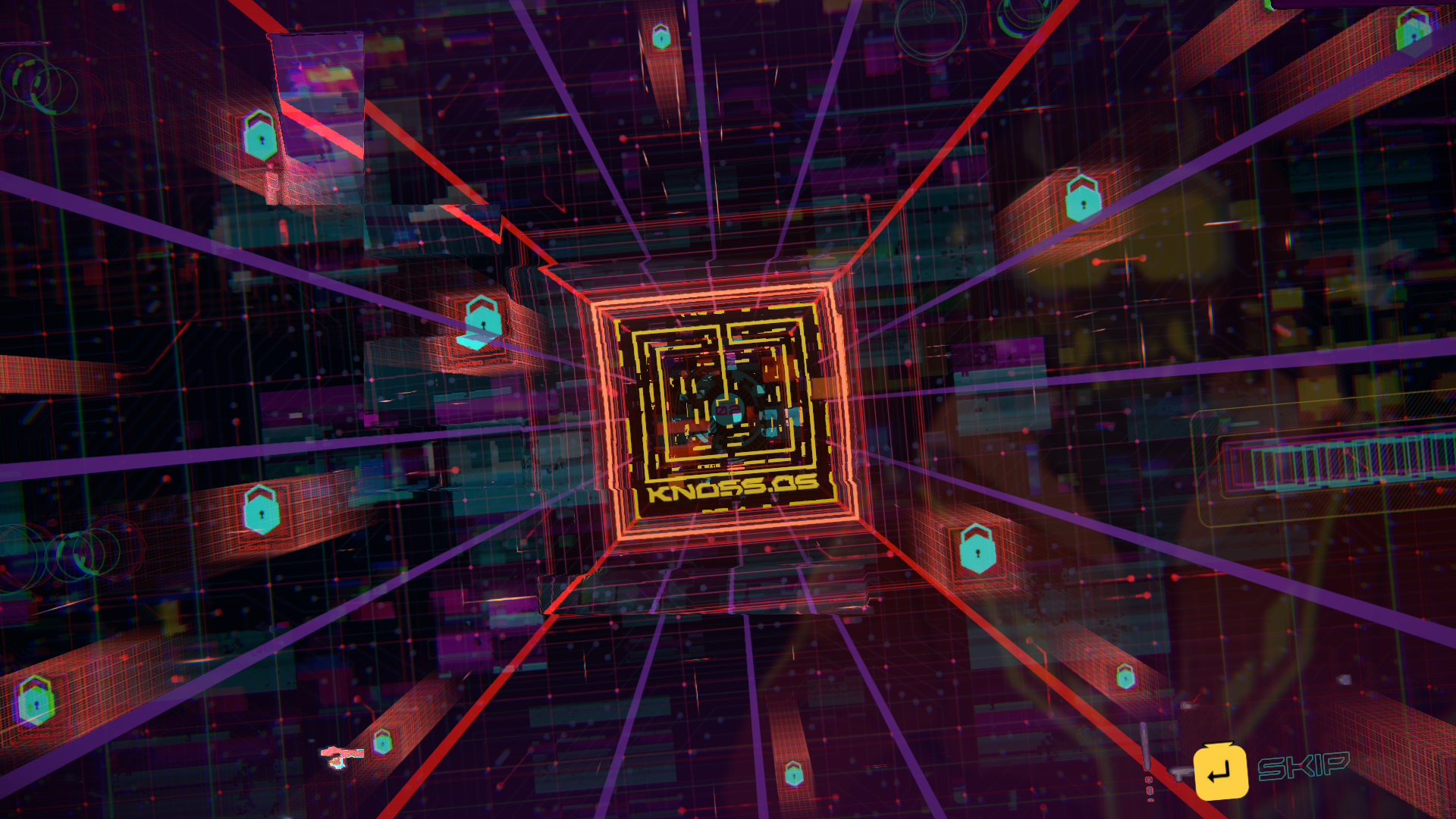
Overall, for me, the game design was something that I found to be very good in GRIDbeat! as the enemies looked incredible, as they had very simplistic designs while also looking very precise and clean-cut to resemble cyberspace, while the actual game world itself felt like it was something from an early 2000’s hacker game.
GRIDbeat! Manages to Be Creative With its Hacking Minigames
Now this is sort of an honorable mention, as I have mentioned above regarding the gameplay within GRIDbeat! regarding the various challenges of keeping to the beat of the music, and just the overall challenges that lurk within the game. However, one thing that I would like to mention is that the developers did well regarding the various hacking actions that could be enacted throughout the game.
Whether it be simply hacking into a node to gain access to another route, breaking a deadlock, or stunning enemies to protect yourself, each of these mechanics had its own unique minigame that also incorporated the game’s rhythm-based gameplay and quick time events.
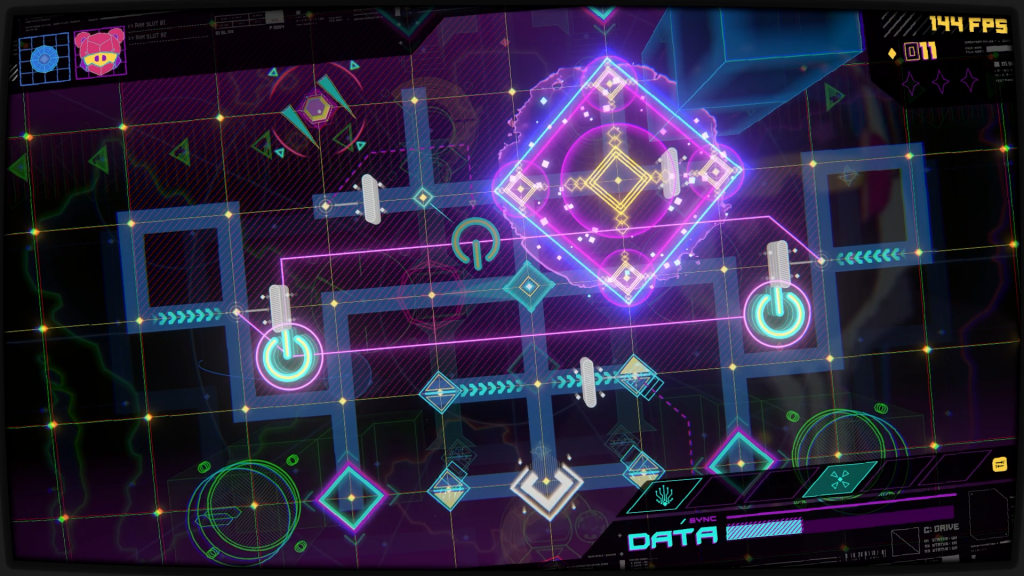
From the get-go, the player is granted all kinds of abilities before they are inevitably taken away. One of these abilities is very simple, as it allows the player to unlock certain nodes by hacking into them, and this is done by timing the hack just right to the beat, as well as timing a quick-time event button press so that they can trigger the unlock.
Now this is a rather common activity that comes up a lot throughout the game, but there are other minigames that do occur throughout the game, such as one that has rotating button prompts that require timing to press them as they face the player, which was by far the most fun for me, and more that show up throughout the game.
GRIDbeat!
Summary
GRIDbeat! for me, it was a very fun experience that mixed fun rhythm-based gameplay and upbeat music to create a rather unique experience that kept me engaged throughout, even with the gameplay being rather challenging to begin with.
Throughout GRIDbeat! I was pleasantly surprised that the game assisted me in a way that most games don’t by having the actual game itself keep the beat of the song rather than an icon or a bar, which was a very fun change of pace in a game like this.
Although the notification ding of acquiring collectibles would cause me to lose the beat on occasion, thanks to the game’s indications, it wasn’t too hard to pick up the beat after a few seconds of paying attention.
The overall game world itself is very vibrant, with a lot of fun details that made it feel like we were actually inside the cyberspace fighting for our freedom rather than just watching someone do it.
HOURS PLAYED: 8
PLAYED ON: PC
- Fun and vibrant game world that is full of details.
- The music is very good and keeps the pacing of the game well.
- The various ability minigames are fun and fresh each time as they are random.
- The extra sound effects can cause a problem with keeping with the beat.
For more Thumb Wars Gaming coverage, check out our review of Crisol: Theater of Idols, or check out our hands-on preview for the upcoming voxel RPG Everwind.

Liam is a Senior Editor, Writer, and Critic for Thumb Wars and has been working with the team since day one. Liam is a big fan of all things gaming, as you will catch him playing all of the new releases from every genre you can imagine. Whether you find Liam gaming just for fun or spending his free time streaming, you will always find a smile on his face when it comes to all things gaming.