Last Updated on Apr 21, 2026 @ 16:19:32 PM.
Opus: Prism Peak, the latest offering from developer Sigono Studios, is finally here. The fourth entry in a anthology franchise, this time around we’re playing as Eugene, a 40-year old on his way to his beloved Grandpa’s funeral. After playing it for over eight hours, exploring every crevice and finding nearly everything to find, there’s so much for me to say, and yet, I can’t, and won’t reveal too much, as it’ll spoil the experience if you’re not going in relatively blind, at least story wise. So, don’t expect any story spoilers, but plenty on everything else.
The story is relatively simple, although it may not feel as such as you’re playing through it. Chopping and changing throughout various moments of Eugene’s life, you’ll be piecing together important moments from when he was a child, teenager, young adult and then the man he is today, all with the purpose of figuring out exactly what is going on. Why, after a car accident, is he now in a spirit-filled placed called The Dusklands? Why does his deceased Grandpa seemingly know all about it? Who’s this strange child?
One click and you're done. Thank you!
Opus: Prism Peak is a delightful mix between walking simulator and photography simulator, with the latter thankfully not being an exact science, like in real life. Sure, by the end of the game you’ve unlocked various attachments that’ll make your photos look different, you’ll have to account for focus and over/under exposure of light, but it pretty much stops there, and after taking hundreds of photos as I did, I was thankful for that. From taking photographs of vistas, characters, items and more, you’ll be spending a considerable amount of time taking photos of seemingly inane and unrelated bits and pieces, before realising a little down the line that the riddle the Firebowl (more on that) is spewing out to you now is exactly the picture of the random field of flowers an hour earlier, or the wooden Seer statue across the room.
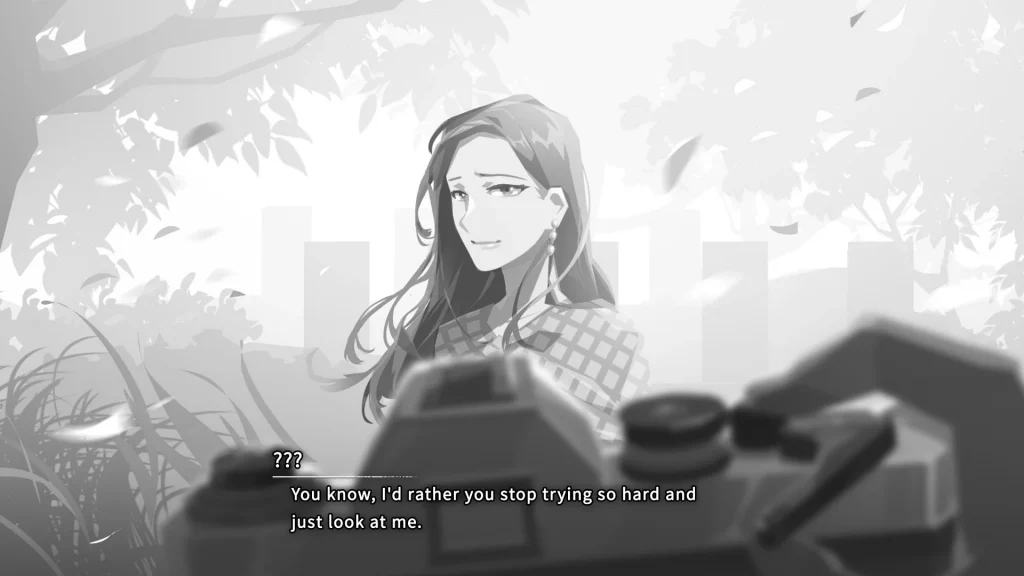
Opus: Prism Peak doesn’t really hold your hand, in the sense that for the majority of the time played, it wasn’t highlighting what to photograph and when to, but being somewhat of a completionist, I was taking photos of everything of note anyway. As mentioned above, these photographs are themselves a gameplay mechanic, as you’ll happen upon Firebowls as you progress, which along with the totems representing the various characters you’ve met, will give you riddles asking for photos you’ve already taken. If you didn’t? Well, tough, you won’t be able to progress much more on that totem’s particular identity. If you did? Figure out what the Firebowl wants, give it to it, and receive a little more knowledge back.
Because beyond the photographs you’re taking, the entire time you’ll be piecing together what’s going on. What is the Dusklands? Who is this bear? Who does the deer represent? And so on, because, again, no spoilers here, but the Dusklands and the characters involved are all representing someone and something in Eugene’s life. It’s your job to figure out who, and to fully understand the story, and layers of meaning within, you’re going to want to try and figure it all out properly. In short, don’t stop taking photographs. The Firebowl, your notebook and your own understanding will thank you.
Beyond Photography
Beyond the photography of it all, Opus: Prism Peak gloriously pushes the limits of its art style, with some moments being dark and mysterious, with broken down buildings and seemingly war-torn vistas, and then minutes later transforming into beautiful, sun-kissed mountains, fields, and more — and then somehow it makes sense that you’re greeted with space. It’s a treat for your eyeballs, and one that deserves your highest settings your PC can handle. There’s just so much you can see and experience, you owe it to yourself to see it as the best it can be.
For the majority of your playtime, the pace is methodolical and focused on the progression of your ‘investigation’, but there are a few times where you’ll be called upon to act quickly, with some scarce action scenes getting the blood pumping, although there’s not much danger actually involved. It is a welcome change-up when they come, but ultimately they’re not the most difficult parts of the game.
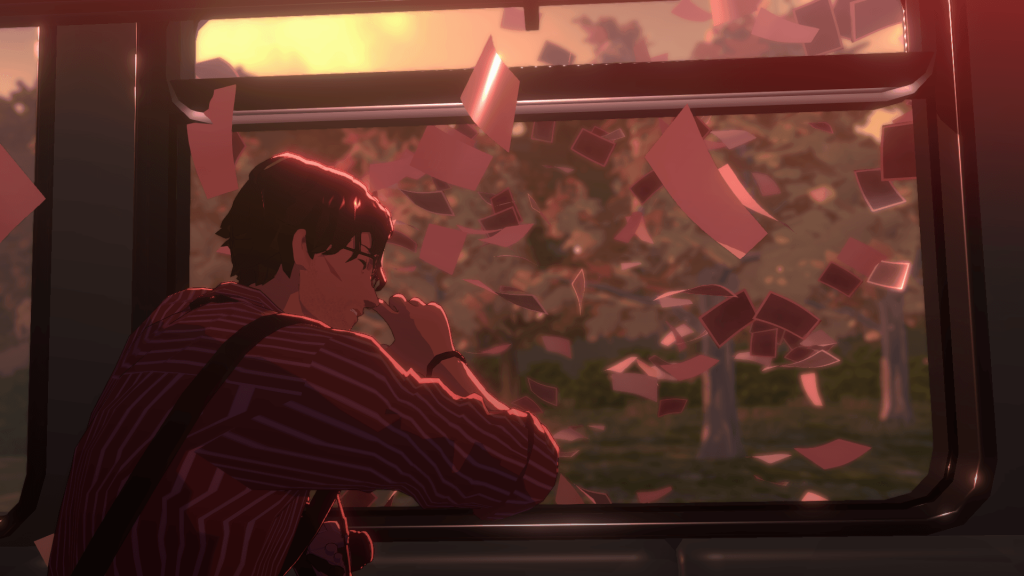
What does become difficult though, if I’m being honest, is keeping track of all the different characters, the clues to who they are in the many, MANY clips of Eugene’s life, there is, and how that can all tie back in to the story, what they represent and so on. It meant even though I was certain of who a certain character represented, I was in fact wrong, thanks to a missed clue or forgotten point. The notebook isn’t all encompassing and doesn’t include everything you’ve learned, which was irritating. Thankfully, it wasn’t hugely impactful in the end story, and whilst the game does have several different endings, including mid-game, it’s still more than possible to get a satisfying ending even if your memory isn’t 100%.
All-in-all, Opus: Prism Peak is an experience anyone who enjoys video games should have. It’s proof that video games ARE art, same as film, music, painting etc, and with a story littered with life lessons, revelations and an undercurrent of significant trauma healing, you’ll be able to find something you resonate with. The beautiful visuals and surprisingly deep, but not complicated photography gameplay is a plus, with a few patches needed to make the investigation side of things a little clearer.
Opus: Prism Peak
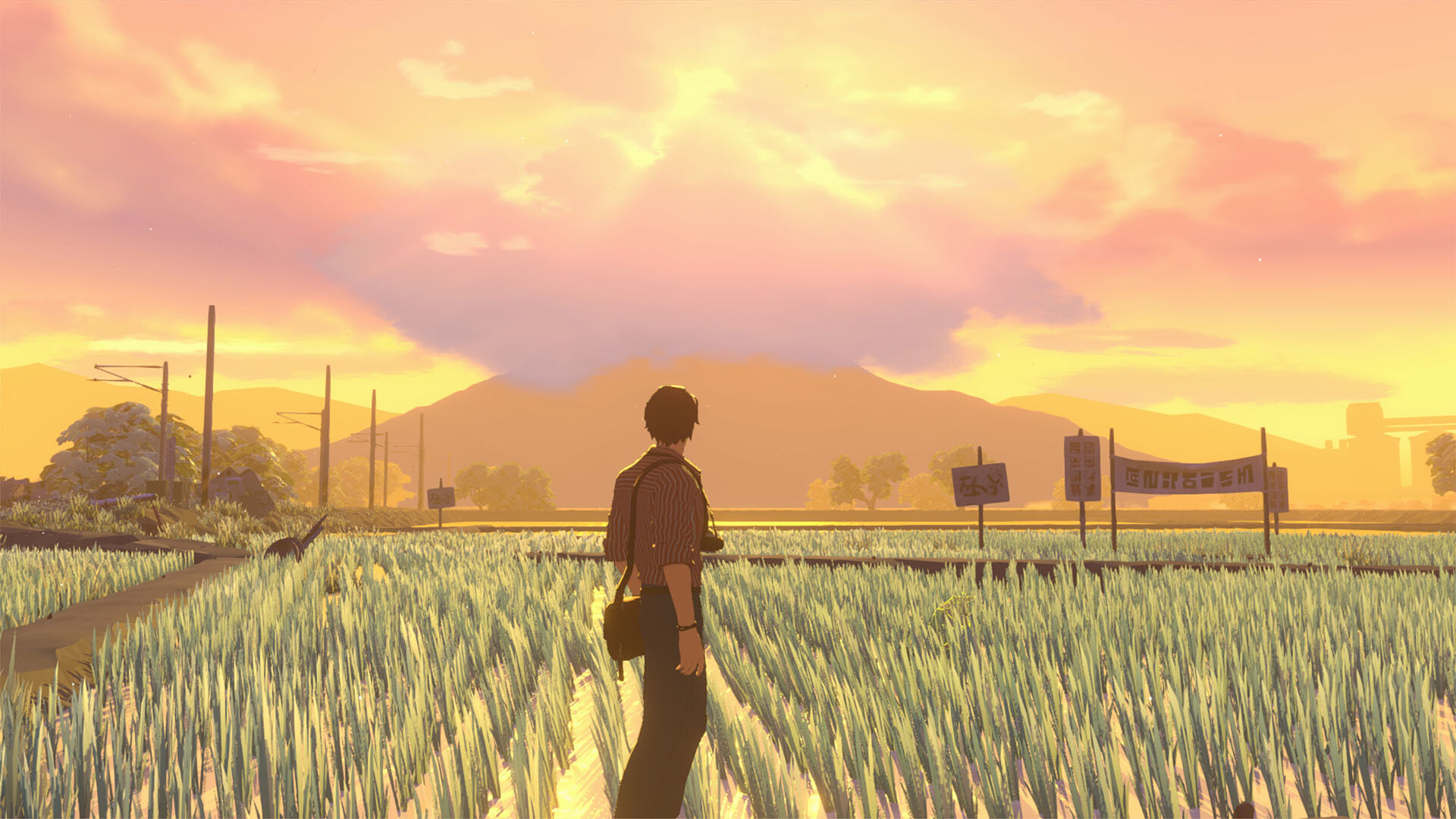
OPUS: Prism Peak is a narrative adventure where you play as a weary photographer stranded in the Dusklands, traveling with a girl who’s lost her memories. Together, you’ll uncover the mysteries of this land through your camera and find your way home.
Summary
The best thing I can say about Opus: Prism Peak is that I was thinking about it long after I rolled credits. It doesn’t do much gameplay wise, but what it does do, it does incredibly well. Tight story, actual important message and some genuinely heartfelt moments meant even my cold, cynical heart was warmed a little. You won’t regret giving this a punt.
HOURS PLAYED: 8
PLAYED ON: PC
- Incredible visuals.
- Will keep you guessing throughout the story, and engaged with some simple, but tight gameplay.
- Needing a decent memory is a negative when you're trying to recollect information from hours before.
For more from us, check out our review of MOUSE P.I. For Hire.

Luke Addison is the Founder and Editor-in-Chief of Thumb Wars. Having previously been a part of multiple outlets over the years, including building an entire gaming team from nothing to something, he thought it best to forge his own path and answer only to himself. As likely to be found playing the latest game as he is in the kitchen relaxing (by cooking), he always brings the same bold and brash attitude to everything he does, with a heavy leaning on sarcasm and dry wit!