One click and you're done. Thank you!
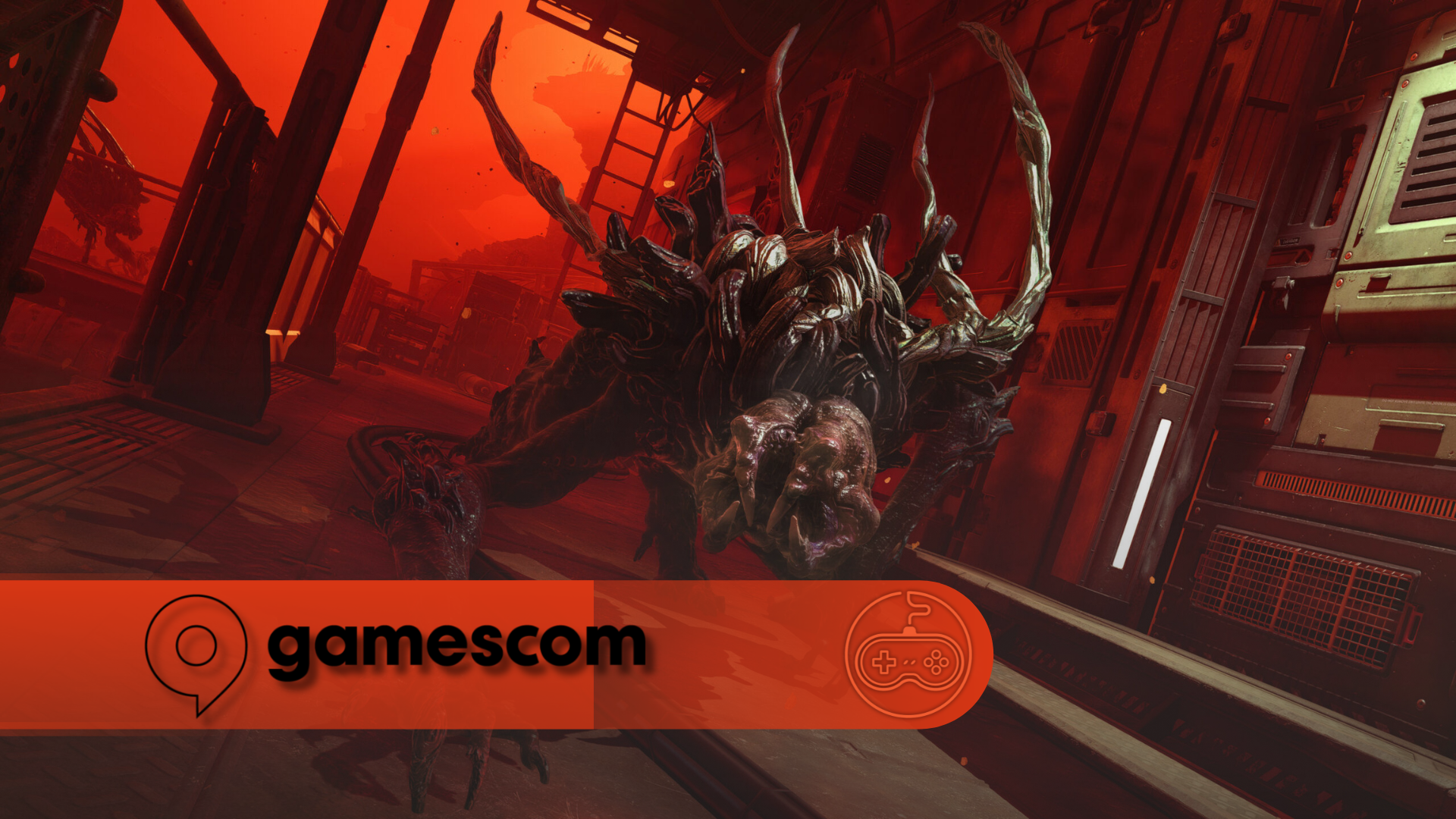
In one of my final previews from Gamescom 2026, I’m getting to lift the lid on what I thought of Alien Deathstorm, the upcoming release of Rebellion’s latest foray into the iconic universe. I spent the better part of an hour mowing down Xenomorphs, exploring murky and mysterious environments and just generally having fun, because importantly, Alien Deathstorm is fun. It may sound odd to describe a first-person-shooter set in the horrific Alien universe as ‘fun’, but it’s hard not to.
Whereas previous Rebellion titles, especially more recent ones like the Sniper Elite franchise and to a lesser degree Atomfall, are slower, more methodical games, Alien Deathstorm throws all that away and turns into an all-guns-blazing, shoot-to-survive experience that perfectly apes exactly the feeling you see on screen in some of the big screen visits to the universe. The iconic bleeping is there, the moody, atmospheric environments are there, the feeling that everything can go wrong is there. It even manages to elicit the same tension that Alien Isolation did all those years ago, and maybe Alien Isolation 2 will soon, where you want to check every little area for fear there’s something there, or something coming.
And that’s what makes Alien Deathstorm so fun. It’s both balls-to-the-walls action, with moments that’ll make you think you’re going to get swarmed, and at times, I really did, with too many enemies to handle and choosing between reloading my weapon, wiping my visor to see or meleeing my way out of danger, all happening at once; and it’s also a slower paced game, where your every moment, every noise, every movement, could spell the end.
During our post-hands-on interview, Producer Martin Willingham outlined the mechanics at play that allows it to be both, explaining that some moments will be scripted, but others will be based on how you play, and how you react to what’s in front of you. Make too much noise (and I did, a lot), and Aliens will be drawn to you, and you’ll know that’s happening based on the excellent audio you’ll hear, from rattling grates to footsteps nearby, you’ll know you’re messing up. You can try and be stealthy, saving your ammo and taking things slower, but once things begin to fall apart, then it hits the fan, and you’ll be unloading bullet after bullet into Xenomorphs.
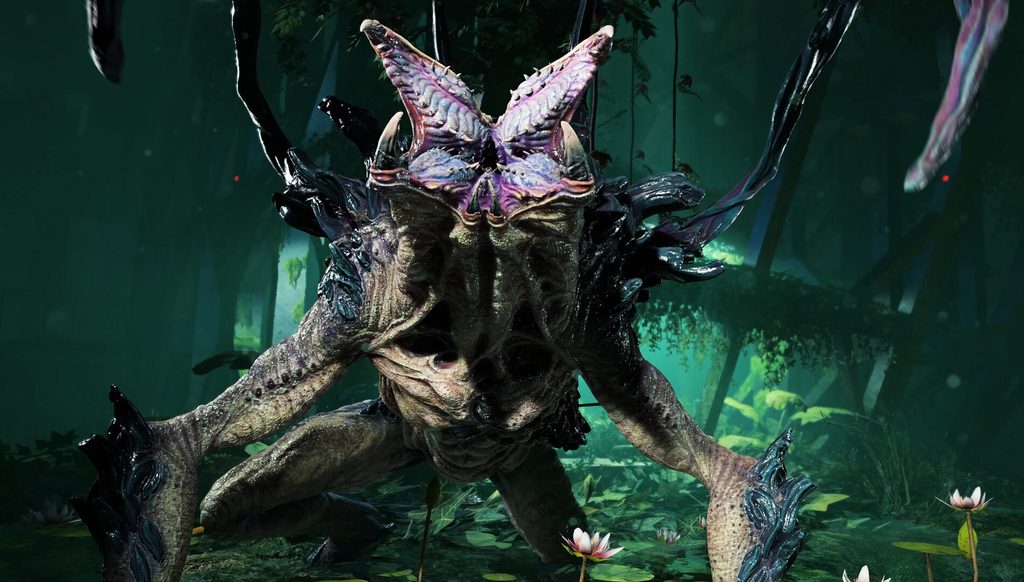
The three most striking moments of the hands-on still stick with me all these days later. The dark is really dark. You’ll need to use your flashlight, flares or your own keen sense of direction to navigate your way through certain areas, or risk getting lost and dying a grisly death. The Xenomorphs I fought in the small slice of the game weren’t what we’ve grown accustomed to in the films and TV shows, but in fact were mutated, with a head that resembled both that of an Alien, and its longtime antagonist the Predator. Willingham did confirm that this was ‘their story’, and pushed past boundaries the established universe already had, so they could play in their own sandbox with their own rules. Lastly, the gameplay, or rather, the quest structure, is closer to Atomfall than it is to other action-RPGs. You won’t always have a marker, and sometimes the quest itself won’t give the full story, and the onus will be on you to find and figure out what you need to do to solve the problem and continue the story.
During my preview, I was trying to reroute power from a failing substation to allow me to progress, but doing so was far more difficult than just heading to a specific marker, turning a switch and going back. I had to find the right area, which was highlighted by a name on a map, and an icon showing a broken power source route, nothing else. I then had to figure out and find the switches responsible for turning on the power, which were three switches linked via a nondescript power cord on the floor, and then, once I’d done that, head back to a different area to flip another switch.
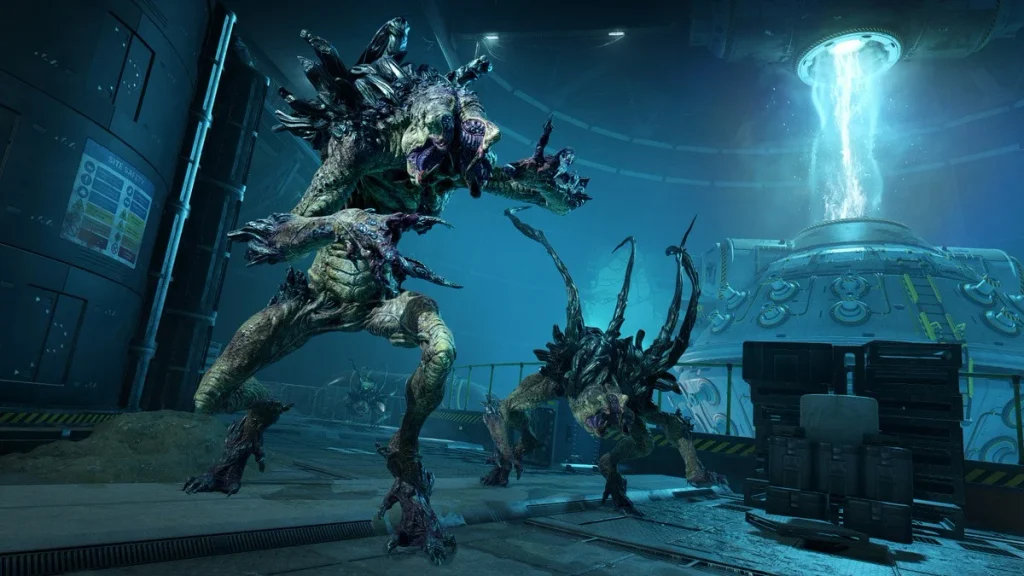
The drawback? You’re trying to do all that while getting peppered by Xenos, and potentially getting frustrated. The positive? There’s more than one way to do objectives, as Willingham told me after he’d seen my playing that players can ignore all of that, and just head to the switch at the end, flip it, and move on. So there’s freedom allowed to players via this idea of a more obscured way of directing players, but even so, Willingham did follow on and explain that there will be ‘playstyles’ added into the game before the final launch, that’ll allow players to have markers if they so wish, as well as numerous other ways of playing.



Alien Deathstorm absolutely will frustrate some players, but as gamers know, that’s far from a bad thing when it comes to gameplay. It also looks to have nailed what it means to be an Alien game, with multiple enemy types throughout the game, different ways of dealing with them, and a constant sense of dread and claustrophobia all too familiar for longtime fans. Whether it manages to create an iconic story in its own right, as Rebellion continue to create original stories rather than rehashed reimaginings, is another matter, but I can say I enjoyed my time with the hands-on, and as a sci-fi horror nut, I can’t wait to get some more time with it.
For your next read, check out the Hellraiser: Revival devs surprising admission regarding being banned, and my thoughts on Hello Sunshine, the robot-following apocalypse game.

Luke Addison is the Founder and Editor-in-Chief of Thumb Wars. Having previously been a part of multiple outlets over the years, including building an entire gaming team from nothing to something, he thought it best to forge his own path and answer only to himself. As likely to be found playing the latest game as he is in the kitchen relaxing (by cooking), he always brings the same bold and brash attitude to everything he does, with a heavy leaning on sarcasm and dry wit!