One click and you're done. Thank you!
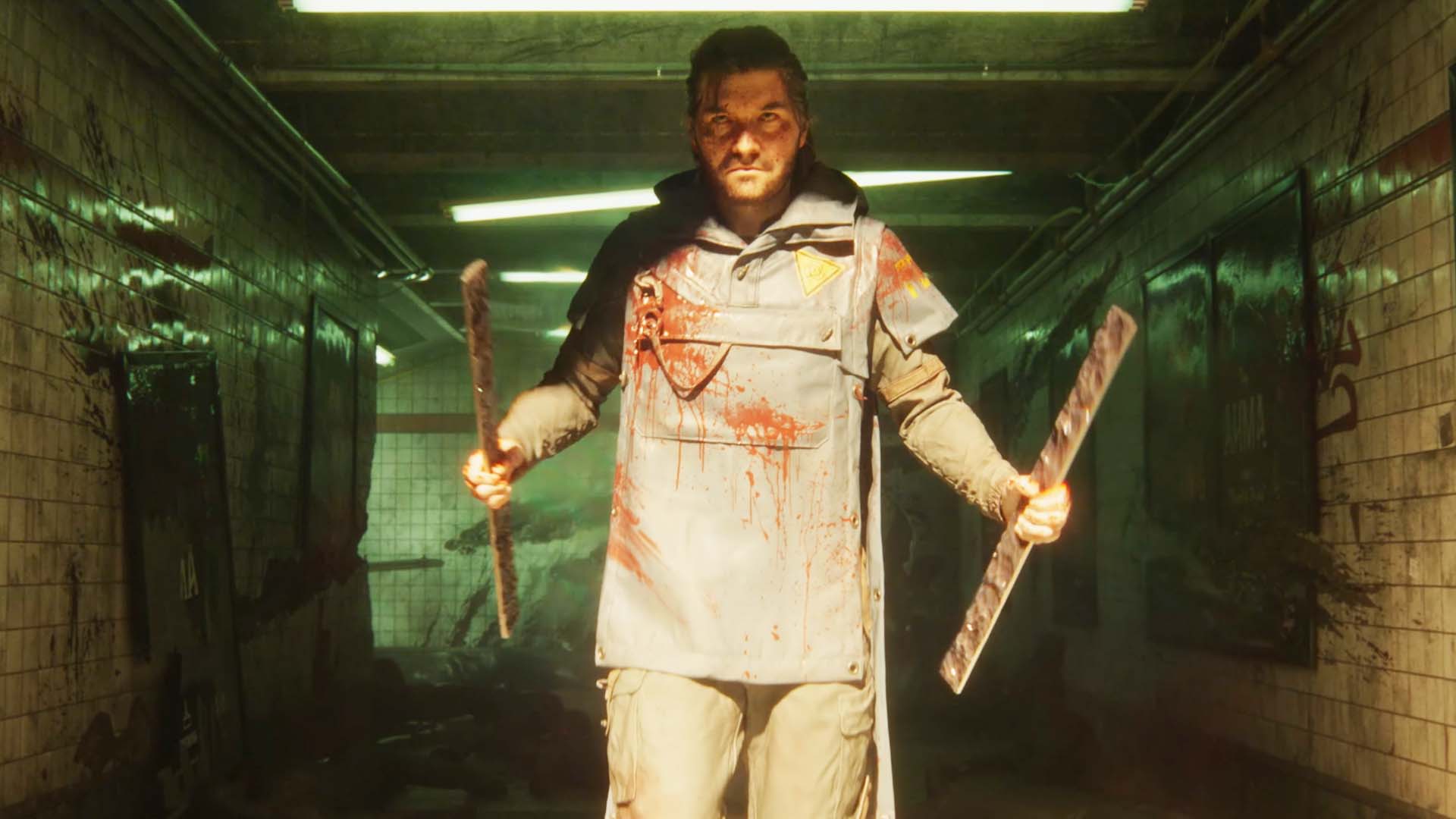
What’s Control Resonant you say? Probably the weirdest (in the best way) game to be coming out this year. At Gamescom 2026, I was able to not only see some of the gameplay shown off in a behind-closed-doors press demo, but also chat to Senior Level Designer Arhi Makkonen about a number of things, from gameplay to the chance of Alan Wake 2-esque viral music moments.
Control Resonant changes a lot from the established status quo of the first entry in the franchise. Whereas before we were Jesse Faden, we’re now her brother Dylan. Before, combat was more focused on range, with guns and telekinesis the order of the day. Now it’s close quarters combat that feels every bit of heavy-hitting as it looks, with a range of different combos and abilities to really highlight Dylan’s differences. Before, we were fighting the HISS, now it’s the Mold, an interdimensional entity trying to take over New York, and then the world. All that aside though, the biggest difference is the way the studio has approached worldbuilding, or more accurately, the world-pivoting with a truly mind-bending mechanic called Gravity Shift. With it, you’ll be able to go onto all manner of surfaces as Dylan, changing gravity as you do.
See an open path on a wall across the street? Sure, jump over. How about walking on the ceiling? Or maybe a roadway that’s been pulled to 90 degrees in front of you? Why not, gravity isn’t a problem for Dylan in Control Resonant. While it is a truly remarkable feat, when speaking to Makkonen, it was clear it was as difficult to get right as it is impressive to see:
“So it came very early on as a dream like, ‘hey, it would be great to make the gravity shifting, and now you have to shift the ability to change basically any surface while it looks like a walkable’. A lot of tests, and of course, it felt impossible at first, but then we step by step started. ‘No, this is actually a fun way to play, and we can figure it out how to make it that people understand which way is what’. That needs a brain twist as a level designer first, because even when you change to new gravity, even the screen now shows different vistas, different points, and all that, and we can use it in many ways so that now we can point at the direction. All that, but we have a lot of freedom with it. Like, we try to, it’s not only the key moments, it’s all over the place. And, like, in many locations, have a large gravity anomalies which you can explore.”
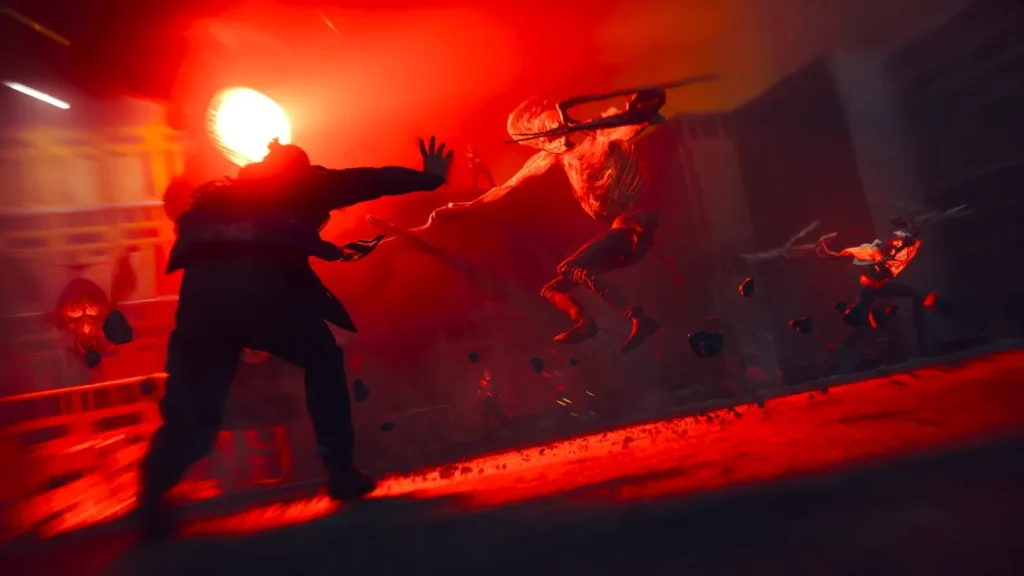
Having to design an environment to work on every axis, rather than two, sounds like a design hell, and as Makkonnen says, they included it far more than the just the ‘key moments’ of the story, making it a fundamental and prevalent part of the game. Even just during the short demo I was shown, it was obvious how key it would be during gameplay. Following on from that, I asked what sort of difficulties the developers encountered from a design point of view, with having to design in a way never done before:
“Yeah, if we have got like three or four different axis, how do you design an area? Yeah, to make sure we’re not just going around the circles, right? Yeah, so first of all. Like, you need to be readable. So, we decided that first we had many kinds of visualizations to show how it was, and we had some maybe it’s going to be a wall or whatever. but then we found out the clearest to show is it looks walkable. Let’s just turn the roads, and let’s turn the full buildings, floors, and rooftops, and that makes it much easier to understand, but that, of course, starts to escalate. If you now turn one building, what happens? The bottom of the building, well, the street needs to go all the way [gestures wildly] there, and then whether that ends, and when you need to get so it was a constant from the design point of view.“


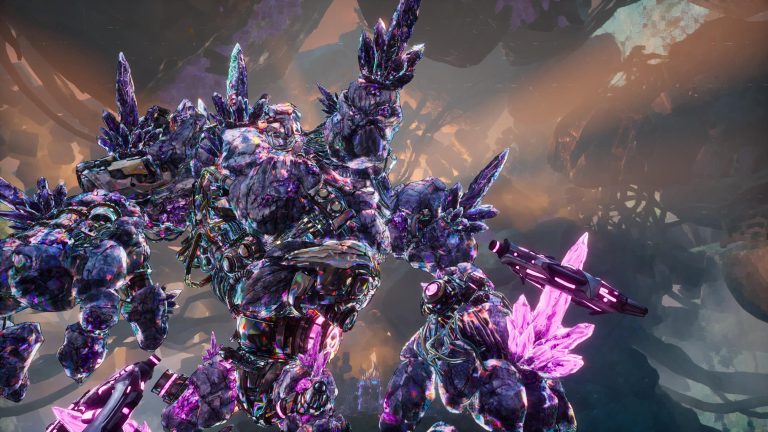

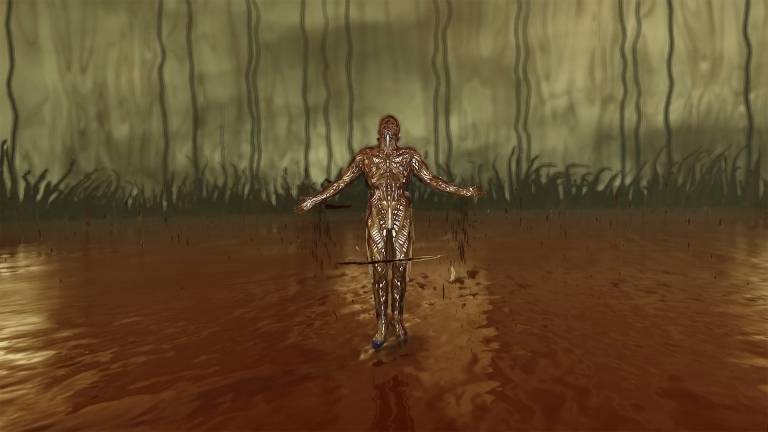
Seven years in development seems to have been worth it, if for nothing else than the incredible Gravity Shifting visuals, and clearly it was a lot of work!
Control Resonant releases on September 24th on PlayStation 5, XBOX Series X|S, and PC.
For your next read, check out how the Hellraiser: Revival developers had a unique goal in mind for the game, or my thoughts on Alien Deathstorm, after a hands-on at Gamescom 2026.

Luke Addison is the Founder and Editor-in-Chief of Thumb Wars. Having previously been a part of multiple outlets over the years, including building an entire gaming team from nothing to something, he thought it best to forge his own path and answer only to himself. As likely to be found playing the latest game as he is in the kitchen relaxing (by cooking), he always brings the same bold and brash attitude to everything he does, with a heavy leaning on sarcasm and dry wit!