One click and you're done. Thank you!
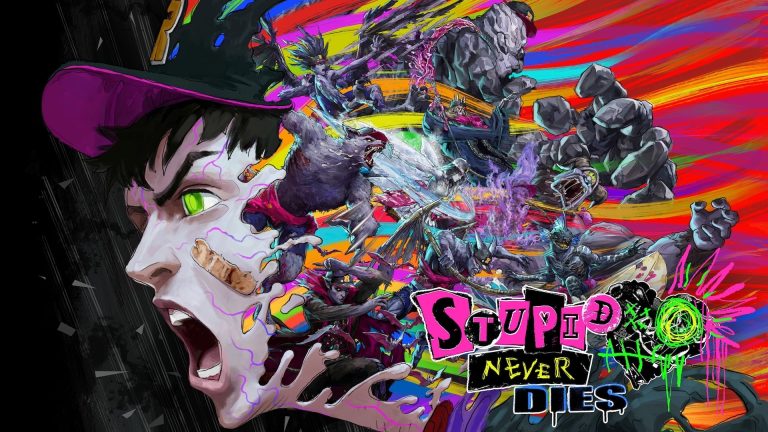
Developed by GPTRACK50, Stupid Never Dies is a roguelike involving the world coming to an end, with humanity, zombies and mythological monsters alike all suffering at the hands of KOM, or the King of Monsters. Taking control of our resident zombie Davy, we go on an adventure with our rag-tag team of monsters, zombies and half-humans, to save the world, and at the same time, a woman called Julia that Davy has latched onto and fallen in love with.
Story Beats
That’s the crux of the game in a few sentences, and it’s as hectic, fast-paced, ridiculous, funny, and at times, bloated and anticlimactic as you’d expect. There’s a lot to digest with Stupid Never Dies, and during my 40 or so hours with it so far, I feel like I’ve seen everything it has to offer.
The story starts with explaining that the Earth as we know it is gone, replaced now by an epidemic of supernatural proportions wiping out the inhabitants of the planet. Using a new technology, Earth beat back the zombie uprising before KOM turned up, unleashing hell and reducing humanity to dust, with survivors sprinkled here and there.
Monsters of all types, from Werewolves to Merfolk, Cyclops to Harpy’s are all over the place, emerging from the layers and dungeons beneath the Earth’s surface. Being the lowest rung of the mythological monster ladder, Davy is expected to do much to change the status quo, and until he meets a frozen human Julia, he doesn’t care to. He’s slow in movement, speech and thinking, so what could he do about the emerging KOM threat?

It turns out that after eating the Phoenix’s Egg that the half human Doc Steiner leaves laying about, quite a lot. For in the dungeons Davy is no different than a human, and he’s stronger thanks to the egg. Davy quickly jumps at the chance of saving Julia, and in the same vein, the world, by jumping into the dungeons and flying through the layers, looking for whatever item requested by Doc Steiner at the time.
This is the entire gameplay loop in one sentence. You’ll go through each dungeon aiming to hit the bottom, a constantly shifting ‘deepest layer’ that conveniently always has to hand either the person, beast, or item you were looking for. Beat them, pick up the item and return to Doc Steiner and the team, and then do it all again. It’s the definition of a roguelike, but for a few reasons, it fell a little short for me.
Gameplay Loops
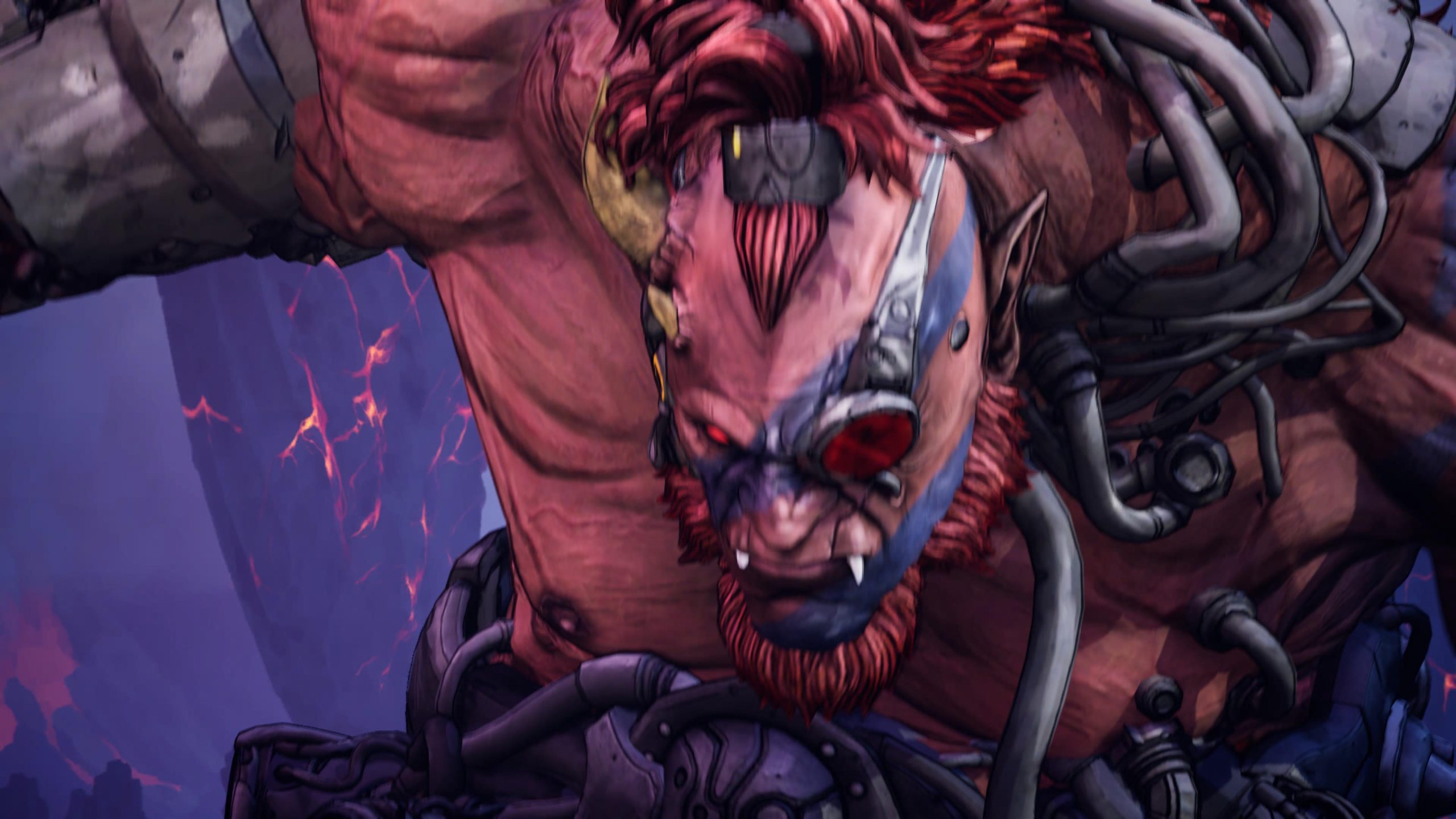
I lost count of the amount of dungeon dives I’ve done during Stupid Never Dies, with each of them feeling largely the same as the previous. I battled everything from headless-guitar-playing-and-motorcycle-riding-ghouls to Cyclops, Golems, shielded enemies and many many more besides. The enemy variety, at least in design, is impressive, and certainly kept me on my toes during those early raids.




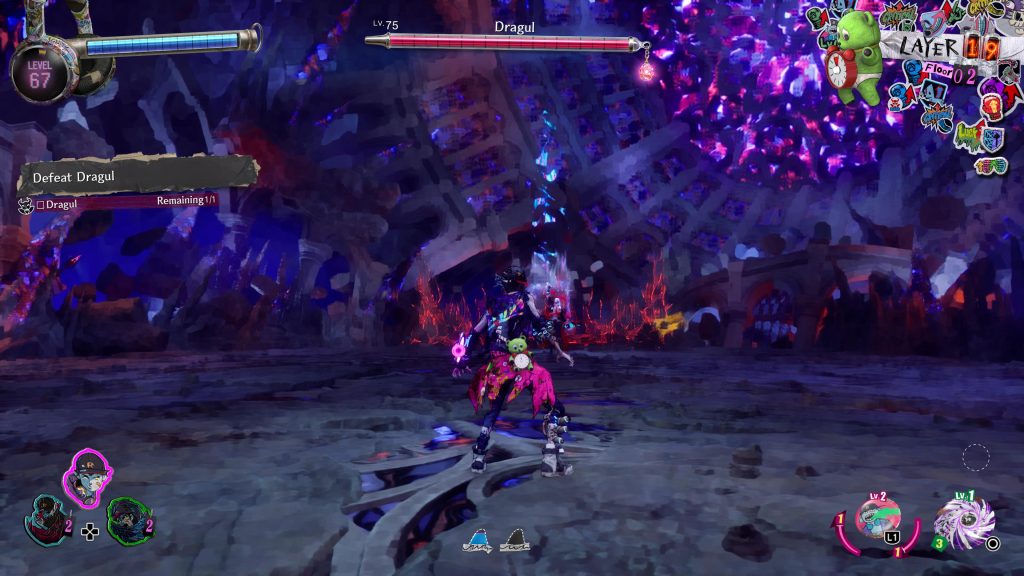
Each dungeon is broken up into multiple layers, the number largely depending on how far into the story you are, but each layer has multiple floors. The first floor is always a trip to a door to the second floor, which will be a fight against the Gatekeeper. Beat them, which often is just a superpowered Style (more on those shortly), and you’ll progress to the next layer, ready to repeat the process. The environments change as you go, with five different ‘worlds’ on offer, as well as a sixth, but that’s at the very end of the game.
These environments may change, but the linear path of them makes it difficult to get lost or lose direction, making the hand-holding big yellow arrows all the more obnoxious. Seriously, they’re impossible to miss, and barring a couple of times where the gate to progress is behind where you are, entirely unneeded. It wound me up no end, and is an insult to the intelligence of gamers. I’m not against the use of ‘yellow paint’, but it’s not needed in Stupid Never Dies.
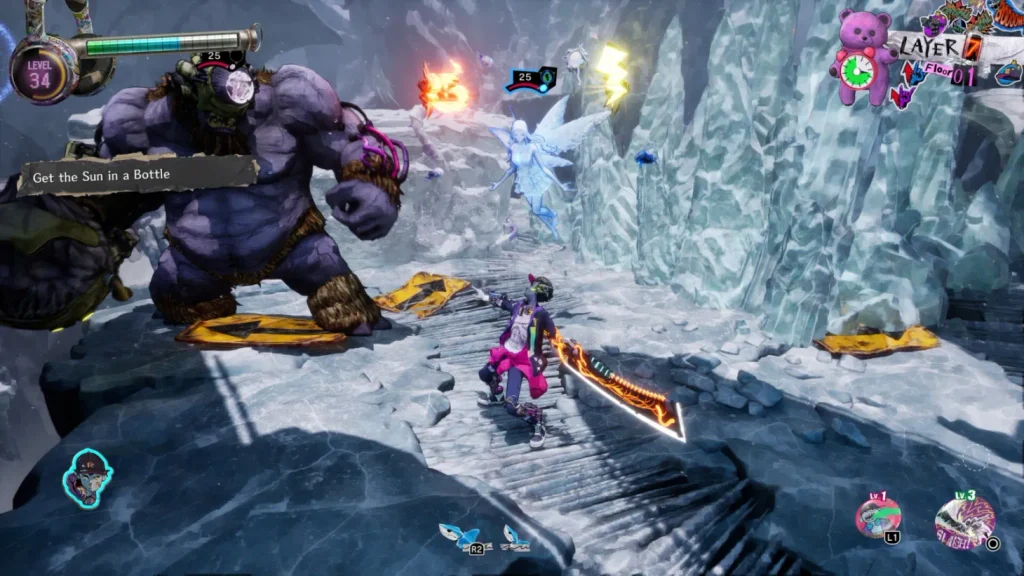
To further cement it as a roguelike, you’ll be timed on your excursions. This is a plus, as it pushes you through the layers and floors as quickly as possible, forcing you to decide between exploring and levelling up (you’ll start at Level One at the beginning of each dungeon) and getting stronger, almost over-powered, for the threats ahead, or rushing through to make sure you actually have the time to beat those same threats. This is something I couldn’t get enough of, and did have me thinking regularly.
As well as levelling up in a more standard fashion during your runs by defeating enemies, the game also rewards you with ‘Zombie Receipts’. After defeating bosses, or crowds of smaller enemies, opening chests, or just buying them, you get the opportunity to improve Davy in a huge number of ways.
From increasing his attacks against specific enemies, improving defense, giving special abilities, larger health pools and so much more, these receipts are a reason to constantly fight and push forward, making each run feel different, at least in the sense of what ‘build’ you have come the end of it. Being a foot-forward sort of guy, I consistently chose anything that’d buff my attack, meaning I’d be one-shotting everyone come the end of a dungeon run, but equally weak to attacks from them, keeping me on my toes and employing the many different mechanics in the game.
And dungeon-wise, there are a lot. You can ‘Stupid Parry’, which is essentially a parry move when you see an enemy glowing yellow. You can dash. You can use your own special skills, which depend on the Style you are (more on that in a second), or flat out Zombie Bite them, meaning you’ll get your health back, or perhaps steal their skills and Style, inhabiting them in the game’s standout feature.
Style Eat Those Styles!
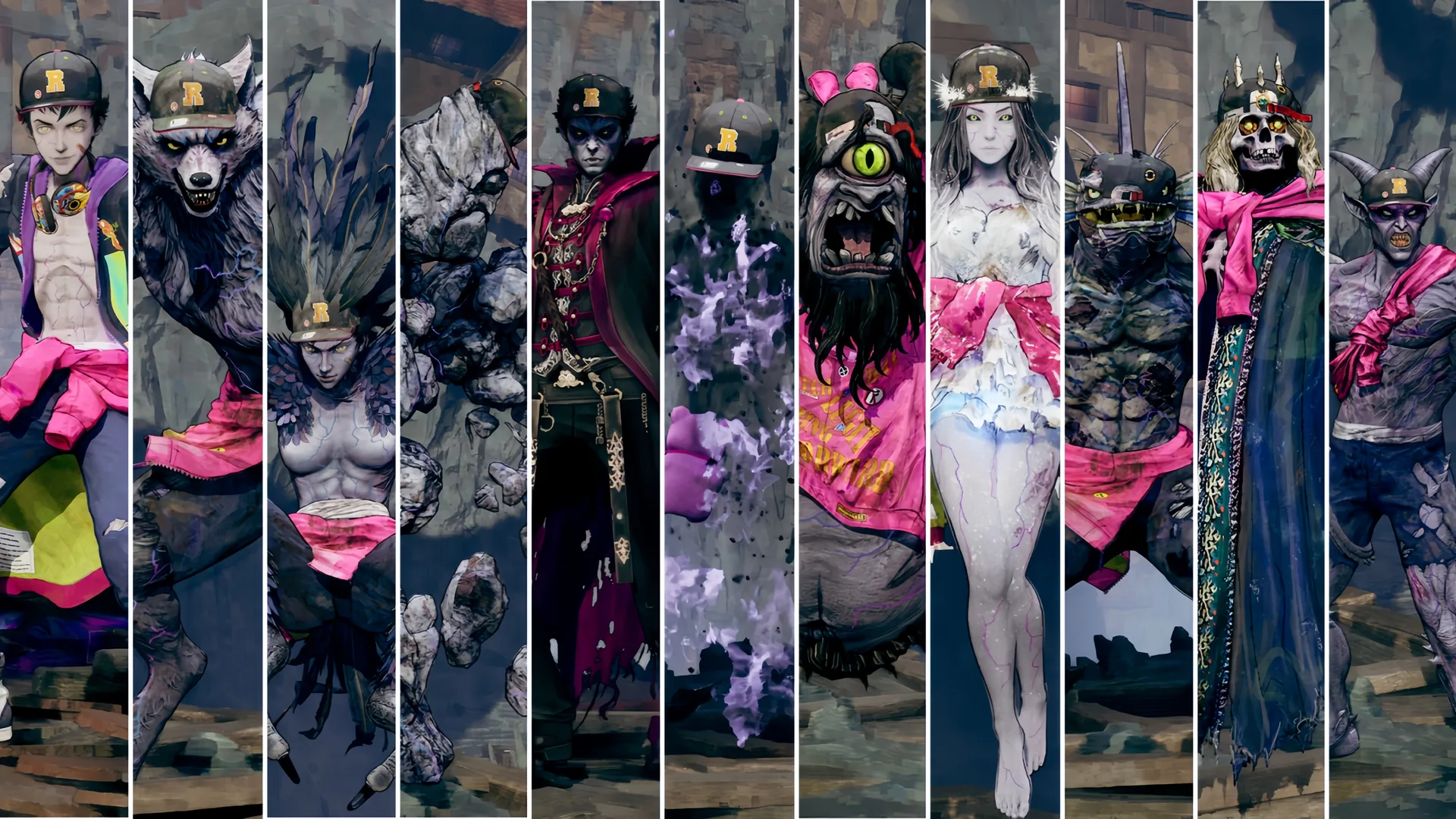
Yep. You can become those very monsters I mentioned above, and many more. Style Eating their cores will allow you to take on their skins and abilities for a limited time, usually three floors. There are eleven Styles in the game, ranging from the starting Werewolf and Harpy, and ending with Snow Fairies and Demons.
The latter was a personal favourite, for the record. Each of these Styles are further broken down in rarity, but also in which particular skill they have. A skill is in essence a special move that can cause huge damage to those around you, which in some cases like the Werewolf’s Phantom Mirage, is great for crowd control!
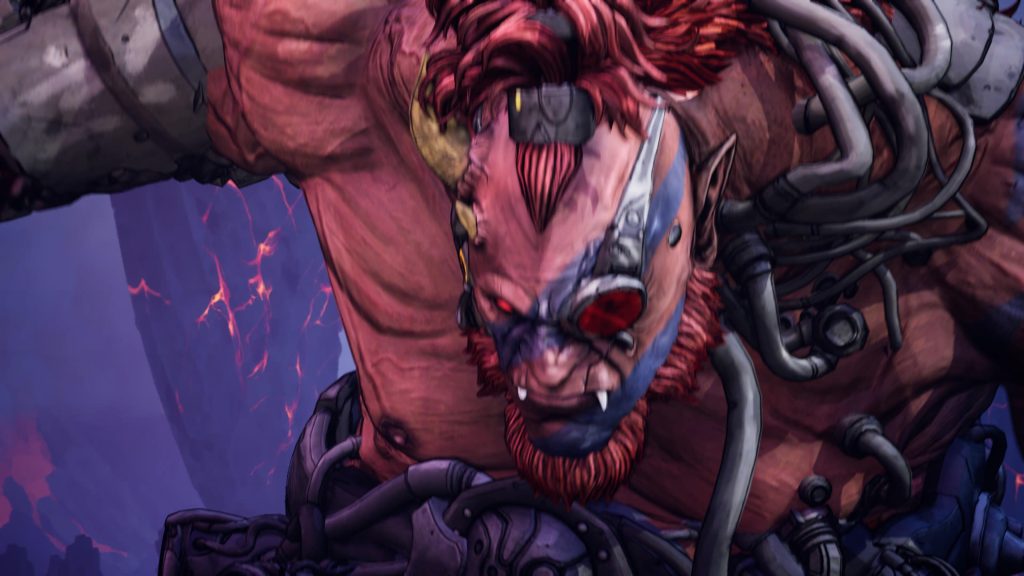
These Styles, whilst each different enough to the last, certainly operate on three or four archetypes. By that I mean there are some fundamental basics that have them feeling similar to the point I didn’t see the need to pick certain ones up. A Cyclops and Golem for example, both slow, giant models that cause big damage and swing themselves or their clubs around in a wide arch.
Or the Vampire, Harpy or Will-o’-the-Wisp, all Styles which operate at a distance, and are largely useless in close quarters. It detracted from what were beautifully designed characters when I realised they were little more than skins at best, sometimes. Werewolf and Demon absolutely slap though.
Away from all the Styles, levelling up and exploration, the combat in Stupid Never Dies is incredibly satisfying. In fact, I’d go as far as to say it could do with being amped up somewhat. It’s at its most fun when you’re mowing down huge crowds of enemies, something that never truly kicks in until you hit the post-story dungeons. Seeing your combo counter going up and up as your enemies drop, you pull off a perfectly timed Stupid Parry, swap Styles and use their skills, before finishing with a Bite to the last remaining enemy is the sort of chaos that ultimately needed to be present a little more throughout my time with it.
Level Up
Outside the dungeons and the combat, you can explore a small shopping mall. Destroyed, boarded up and largely forgotten by humanity, it has become home to Davy and his new team. Bessie, another zombie who works at the burger joint; Acelino, a Werewolf masquerading as a Chihuahua, who handles your upgrades, Julia, the frozen love of Davy’s life, and Doc Steiner, the brains of the operation, with half his head long since replaced by robotics. Each has their part to play in the story of Stupid Never Dies, and the mall functions as a base of operations for Davy, in between his dungeon raids. It’s here you’ll level up yourself in a manner of ways.
Bessie, the burger joint worker, is where you’ll go to buy and upgrade those zombie receipts. Want to upgrade the rarity of a receipt that’ll give you more damage against Elite enemies? She’s your gal. There’s over 300 of them as well, so plenty to buy. The more you have, the higher the variety that appears whilst in the dungeon during your raids, too.
If you want to directly change Davy and his abilities, well, Acelino is your go-to-guy, and the dialogue between these two actually made me laugh out loud several times. Similar to brothers ribbing one another, annoying yet still caring, they give each other a hard time throughout the story, and was a constant highlight for me. It helps that Acelino’s upgrades, the body hacks he allows, are some of the most beneficial available. I’d swap out Orbiting Saw – which at the press of a button would send circular saws out around me – to lightning strikes, or a number of other items, at the press of a button.
Davy’s dialogue, mannerisms and animations throughout, at least in the cutscenes and discussions, were a highlight, if I’m being honest. He’s so unserious, at least until it comes to Julia, who he has the definition of a parasocial relationship with, for the record.
There’s other upgrades at hand too, with upgrading Davy Burst, Davy’s Super Saiyan mode, in short, or his base capabilities. You can also complete a huge number of tasks for a clown behind a shutter that rewards you with stickers, cooking implements, statues and even presents to give to Julia. If you’re reading this and getting overwhelmed, don’t worry, it’s not just you.
There’s so much to upgrade and keep track of that it’s actually a detriment. So many times I’d end up ignoring all of that and just jumping into another dungeon raid so I could get on with things, rather than trying to figure out the small margins I was gaining by spending so much of my time upgrading. And small margins they are. With a pretty bare bones stats screen, and nothing in dungeon – to showcase what you’re even changing, a large portion of the upgrades feel pointless. Attack + 40 against Elite Enemies? Thanks for that Stupid Never Dies, but how much is that actually improving me by? They don’t die all that much quicker.
There’s certainly a difference between how Davy starts the game, and how he ends it, but there’s not enough shown to really represent the micro-changes throughout, nor a real reason to do it regularly. I’d wait multiple dungeon dives and then spend 15 minutes doing it all in one go, rather than waste time in between dives.
Post Game
As any good roguelike does, Stupid Never Dies sports some post-game content. Make it through the story, defeat the absurd and frankly anticlimactic final boss KOM, and you’ll be rewarded with the opportunity to dive some more. No spoilers here, but it’s not over when the credits roll. It’s at this point I’d have really appreciated a little more flexibility from the game. Not having custom dungeons, sliders or filters to really give me the experience I want is disappointing, and something I expect to see in a future update.
As mentioned earlier, it’s now during the Post Game that things really get mental, with 10s of enemies appearing on screen at the same time, testing your own capabilities, as well as your understanding of the mechanics you’ve spent the last so many hours mastering. I can see myself throwing a lot of hours into a mode where I can set the parameters, if GPTRACK50 introduce it in a future patch.
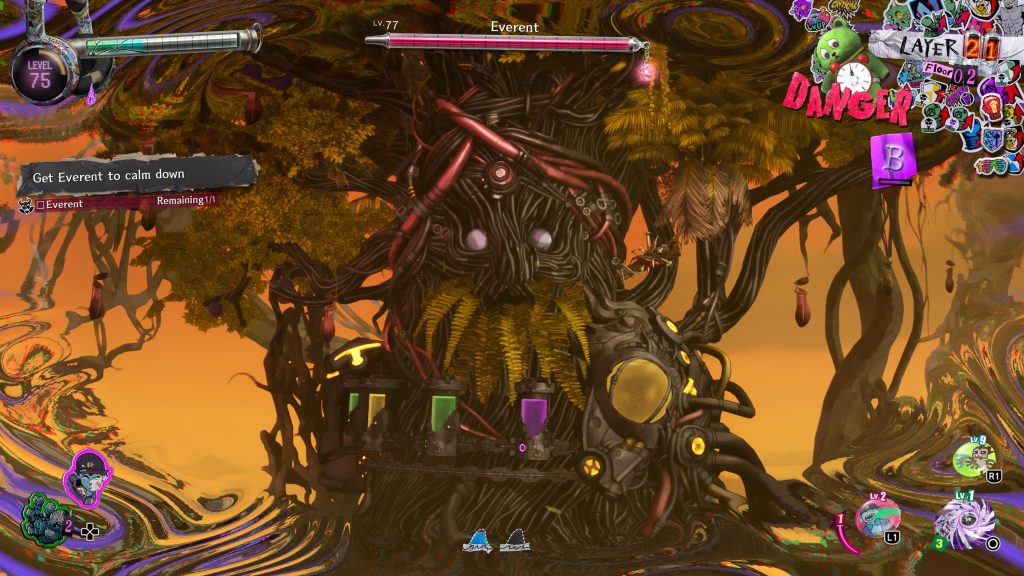
The Post Game also forces you to not jump so far. Early game efforts will be Layer by Layer, before it introduces you to Layer Skip, which allows you the real roguelike experience of choosing what Layer to jump to, showing you the environment, suggested level, any bosses, and rewards you’ll get by beating them. Near the end of the main story, I was jumping multiple in one go, but Post Game wasn’t allowing me that at all. I’d be lucky if I could jump four or five. Any more, and I’d get battered quickly.
Closing Sentiments
There’s so much to Stupid Never Dies that some of it is bound to miss. The positives outweigh the negatives though. The art style is bold, and as already mentioned, genuinely eye-catching in some cutscenes. Graphically it’s easy on the eye too, and the vocal performances, tied with the audio design, immediately pull you into the experience and have you routing for Davy and his less than less-than-normal-relationship, if you can call it that. Also, other than the blank slate and boring KOM, each of the characters in Stupid Never Dies is a brilliantly put together combination of character design, animation, acting and dialogue writing. Individual and interesting all in their own right.
The Style Eat mechanic is another plus, and while the Styles do melt together into three or four base groups, they do have their own benefits and disadvantages. I couldn’t imagine getting through it without them, if I’m honest. On that note, the combat is at its best when you’re surrounded, under the cosh and not sure if you’re going to get out alive. Give me too many to handle, and stop holding my hand GPTRACK50. And with that in mind, the performance of the game needs to be mentioned, because there wasn’t a single crash, stutter, asset pop-in or any other issue you could attribute to poor performance at all, which considering some of the bigger set piece moments towards the end if impressive.
On the other end of the spectrum, I can’t help but feel that the studio threw everything at the wall when it came to levelling up, improving or adding to Davy. There’s too many systems to keep track of, and on an individual basis, you don’t feel the benefit of them minute-to-minute.
Stupid Never Dies is out October 19th on PS5, XBOX Series X|S, and PC.
For your next read, check out our tips and tricks for Stupid Never Dies, or our review on Valor Mortis.
Thumb Wars reviews every game based upon the structure of our review policy, and every review is on OpenCritic.

Luke Addison is the Founder and Editor-in-Chief of Thumb Wars. Having previously been a part of multiple outlets over the years, including building an entire gaming team from nothing to something, he thought it best to forge his own path and answer only to himself. As likely to be found playing the latest game as he is in the kitchen relaxing (by cooking), he always brings the same bold and brash attitude to everything he does, with a heavy leaning on sarcasm and dry wit!