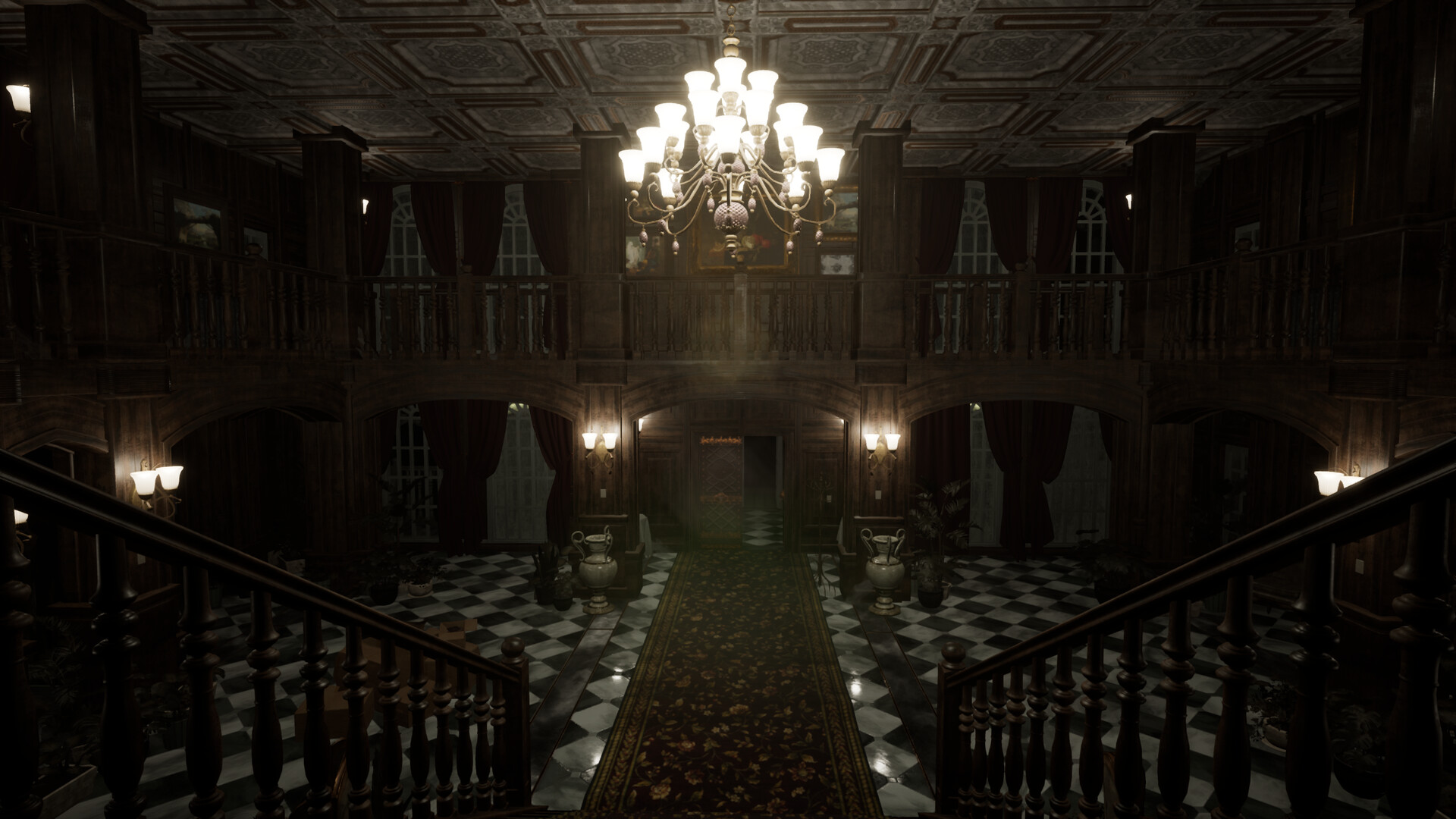
Recently, I have had the opportunity to talk to the developers behind the new game The Last Portrait after I saw their game at the ENDIX event back in May 2026, and during this interview we talked about various aspects of their game, whether it be the manor and its grounds that the game takes place in, the game’s inspirations, or even the challenges of creating a game as 2 developers.
First of all, thank you for taking the time to answer my questions. So our readers know who you are, can you tell us your name and your role in the development of The Last Portrait?
My name is Chris and I am the main developer of The Last Portrait (TLR). I was mainly responsible for building up the world with all its features, puzzles and yeah, a lot. Mainly I am a programmer, with more than 17 years of experience. From Browser Games to mobile games and even PlayStation, Nintendo, and PC Games for Kids.
Regarding a lay off last year I wanted to use my time to learn something new and do what I wanted to do all the years. So I started learning Unreal and creating TLR with my partner.
One click and you're done. Thank you!
Second of all, can you tell our readers what inspired you to create The Last Portrait?
We’ve both been fans of creepy and horror stories for as long as we can remember. As kids, we devoured the Goosebumps books, and later we grew up watching shows like Beyond Belief: Fact or Fiction and The X-Files—not to mention horror movies and horror games. So we always knew that if we ever made a game ourselves, it would have to be something spooky, ideally centered around a creepy old house.
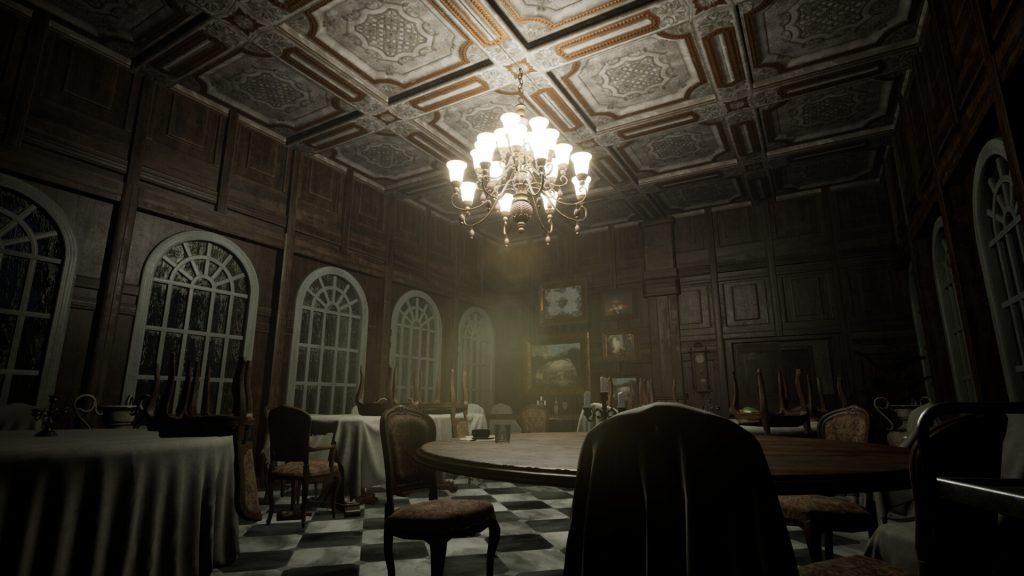
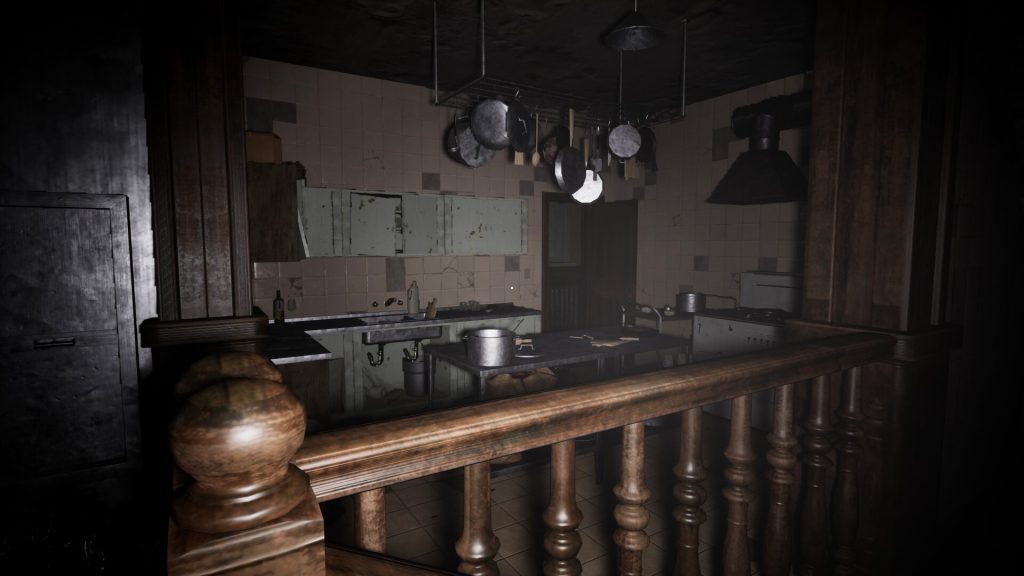
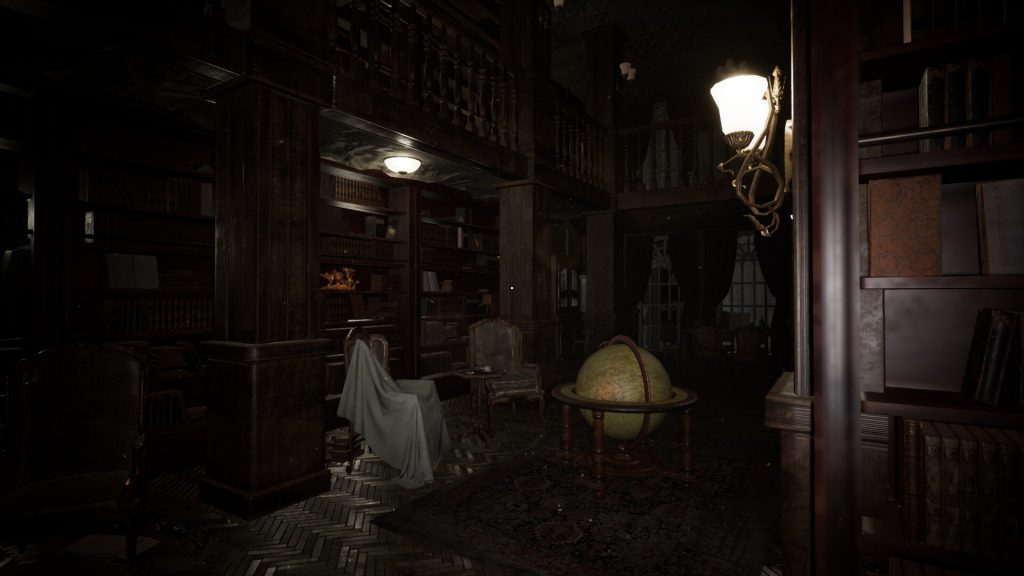
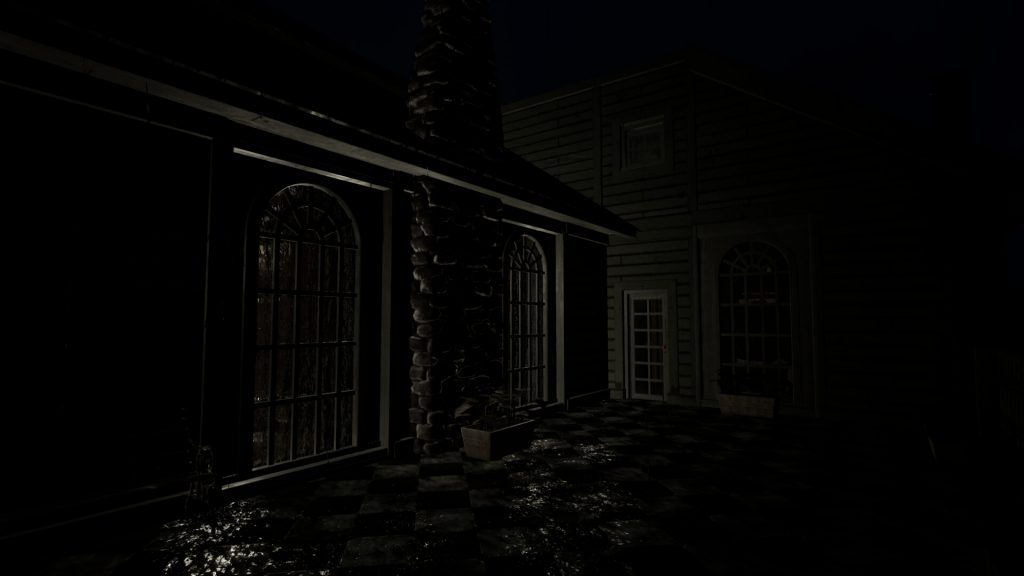
The actual idea for The Last Portrait came from the resources we had available. Chris is a programmer, while Florian works full-time as a journalist for a daily newspaper in Berlin. Neither of us has a background in game art, so we had to rely on existing assets. We fell in love with the house featured in The Last Portrait right from the start. We explored it, imagined what kinds of stories could have unfolded there, who might have lived there, and what role the player could take on. Little by little, that process became the blueprint for the game.
In terms of the game world for The Last Portrait can you tell us how you were able to create the haunting atmosphere?
Basically the answer is: A lot of iterations. But if I take a closer look it is based on the high consumption of horror games and movies in the last few years.
We never did this. We just create a first version and start iterating over it several times. Afterwards I send it to some friends to get feedback and mostly restart iteration. A lot of atmosphere comes over time by learning new things inside Unreal or mostly after playing another horror game.
But it also is a bit story driven.
First you arrive and just see some things or hear nature sound.
After entering the Manor it gets more dangerous and some more things happen.
And close to the end, the main rules of the game change. All chapters have different background music which supports this atmosphere and situation the player is inside.
Within The Last Portrait there is no HUD for the players to keep an eye on or hints to help them with their puzzles can you tell us why you chose to go with this system?
To be honest, we never expected players would need additional hints because we don’t consider the puzzles particularly difficult. We’re huge fans of escape rooms, analog escape-room games, detective games, and puzzle games you can play at home. We wanted to bring that same love for puzzle-solving into a video game. The puzzles in The Last Portrait are quite different from those in most horror games because many of them are based on mechanics you’d typically find in escape rooms and physical puzzle experiences. In fact, one of the puzzles was inspired by a real puzzle from an escape room in Germany. We loved it so much that we wanted to create our own version for Ashwood Manor.
The puzzles themselves aren’t especially hard, and the game constantly provides clues about what you need to do. The challenge is that players need to do something many people have unfortunately stopped doing in modern horror games—especially shorter ones: pay attention. Take their time. Read everything carefully and think about what it might mean.
Along with why you went with this system, have there been any challenges or comments from players regarding the difficulty.
Definitely. We’ve received some negative feedback because not everyone understands the style of puzzles we’re using, which is a shame. Perhaps the game also clashes a bit with today’s fast-paced gaming culture. It requires focus, and it’s probably not the ideal game to play while streaming if you’re more interested in chatting with your audience than paying attention to what’s happening in the game.
On the other hand, we’ve also received a lot of positive feedback. Many players have told us how much they enjoyed finally encountering “proper puzzles” in a horror game. One important lesson we’ve taken away from this is that we’ll be much clearer in the future about what The Last Portrait actually is: a puzzle game with horror elements, rather than a horror game with puzzles.
The Last Portrait has a few different nods to other games like Resident Evil’s saving and storage chest, can you tell us why you made these nods to such games?
As mentioned above this is our first game and also the first game I created using Unreal. And first time creating a horror game. We had a lot of ideas and I really love the saving and storage spots of Resident Evil. So I just wanted to have a similar system. Besides that, in Resident Evil you mostly need to use a item to be able to save. That part I didn’t want to have. The player should be able to save whenever they want. But not at each place at any time. This could lead to different other issues we would have to take care about. And so this saving and storage system develops. Storage comes in late development. It was about 3 months before release. We saw that we could collect a lot of items, more than our inventory could keep. So, the storage was created.
One last aspect about this is that a lot of players can remember this. We had players who saw the typewriter and instantly knew what they could do at this place.
My first introduction to The Last Portrait was during the ENDIX showcase and could likely be a lot of players first introduction to your game, can you tell us what this experience felt like for you?
It was slightly different to the Steam Next Fest we attended last year in October. Because of the aspect that players and even developers and also creators are connected in a digital world. Walking around and being able to talk to each other.
Being the first time part of such a digital Expo was a mixture of “How cool is this?” and being afraid of what players or creators might think about the game. But in the end it was a small success for us, combining our release of TLR with ENDIX was a good decision at all.
As a two person dev team, have there been many challenges in creating The Last Portrait both in the development side of things and advertising?
Two people simply can’t do everything. For example, we didn’t have anyone with expertise in game art, so we had to work with the resources available to us. The same applied to several other areas, although those were easier to learn as we went along. Fortunately, there are plenty of tools available today that allow you to make significant progress even without specialist knowledge.
There were also organizational challenges. While I worked on the game during the time between two jobs, Florian was working full-time and could only contribute to the project in his spare time. On top of that, this was our first project of this kind, so we had to figure out a lot of things as we went along. Because of that, marketing was never a major priority for us. The main goal of the project wasn’t to make a lot of money. We wanted to learn if we’re able to realize a project like this, what kinds of mistakes can happen, and where the biggest challenges are so that we could use those lessons in future projects.
Is there any advice you would give future developers to help them get started in the developing world?
Absolutely: make a plan. The Last Portrait was originally supposed to be a small horror game, but it gradually grew larger and larger. We thought development would take no more than six months, but it ended up taking a full year. We jumped in with nothing more than a rough concept. In the original version, the player was a burglar breaking into the house to steal a painting. As development progressed, the story started evolving on its own.
About halfway through development, we realized the plot contained several major logical inconsistencies. We had to find a way to fix them, which eventually led us to change the protagonist from a burglar into a lawyer. That solved many problems, but it also created new ones because other parts of the game had to be revised as a result. The biggest lesson we learned is that our next project needs to have a fully developed concept before we even start working on it. Based on our experience, that’s the advice we’d give anyone who wants to create a game of their own.
A question we always ask those we interview is “Is there any misconceptions that the outside world has regarding video game development that annoys you?”
Yeah, one thing about so-called “Killer Games” – Shooter. Each time a rampage happens and it is figured out the rampage killer has played video games, press and media talks about, in general, that video games are the only reason for this. Since I remember this always happens and sometimes it doesn’t even matter which genre was played. He was a gamer so video games are the reasons these people get a rampage killer. That is one thing that really annoys me
Finally, thank you for taking the time to answer these questions, is there anything we might have missed that you think our readers would like to know?
We believe feedback is incredibly important and should be a bigger part of the conversation between developers and players. For example, we sometimes get frustrated by negative reviews that don’t explain what the actual problem is. If we don’t understand what players disliked, there’s very little we can do to improve it. At the same time, we’ve had some fantastic interactions with players who took the time to share detailed feedback. Thanks to their suggestions, we’ve implemented several improvements and additions to the game.
We’d love to see more of that kind of exchange beyond review scores and ratings. After all, meaningful feedback is the only way developers can understand what players don’t enjoy and potentially make changes to address those issues.
For more Thumb Wars Gaming coverage, check out our article regarding the 3.5 update coming to Wuthering Waves and its release to Xbox consoles, or check out our article regarding the lack of multiplayer for the upcoming game Screenbound.

Liam is a Senior Editor, Writer, and Critic for Thumb Wars and has been working with the team since day one. Liam is a big fan of all things gaming, as you will catch him playing all of the new releases from every genre you can imagine. Whether you find Liam gaming just for fun or spending his free time streaming, you will always find a smile on his face when it comes to all things gaming.