One click and you're done. Thank you!
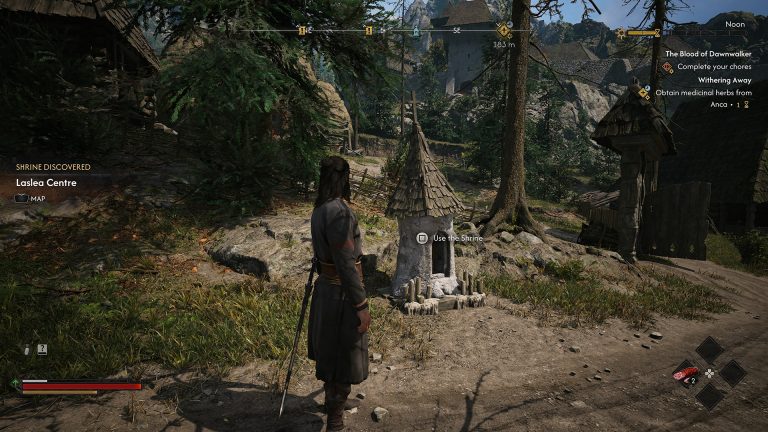
Over the past few weeks, I have had the amazing opportunity to try out the upcoming game, The Blood of Dawnwalker, from the developer Rebel Wolves, as I slaughtered my way through the countryside in search of my family that was taken from me while also being limited by a day and night cycle that completely turned my playstyle on its head.
During this time, I had the pleasure of trying out all the different features that I could within the game, mainly due to the limited game time, as I fought various humans and monsters, explored some idyllic and gruesome locations, unlocked amazing abilities, and so much more.
The Day and Night Cycle Completely Threw Off My Gaming Groove, But in a Good Way
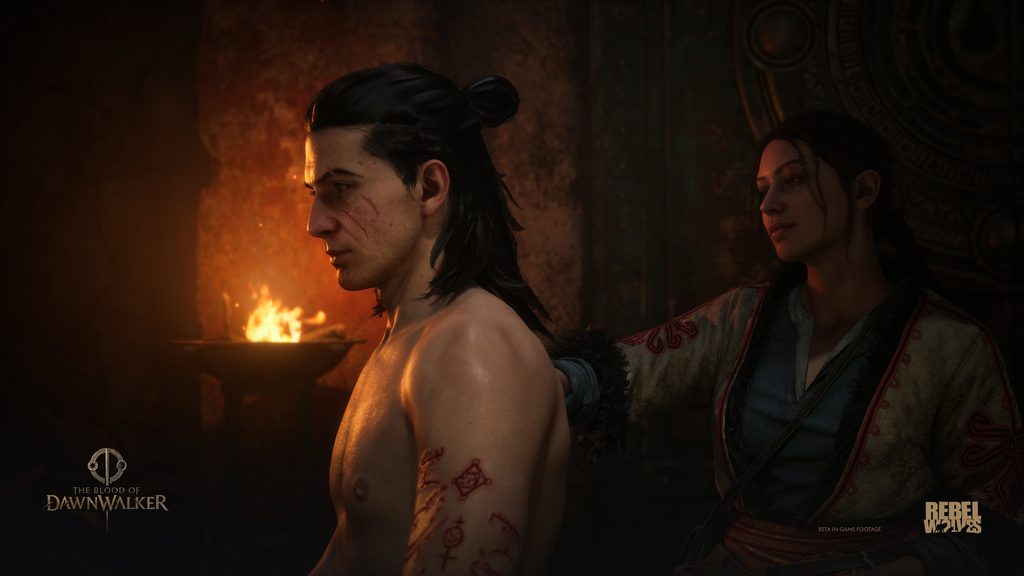
Now I am not ashamed to say that as a gamer I will always fall foul to the search every nook and cranny, complete every side quest, investigate each and every question mark on a map, and so on, and I truly wanted to do this with The Blood of Dawnwalker, but both sadly and happily I was forced into a playstyle I was completely unfamiliar with, which was picking and choosing what was important and what would slow me down.
Because of the day and night system, I as the player only had a limited amount of time to complete the game’s main story, which was 30 days and 30 nights, with each cycle being separated into 8 segments that I could use however I saw fit. Now you may be thinking, ‘This sounds easy,’ but due to the way this time can be used, there are numerous challenges that you need to overcome to do this.
For example, if you want to make your character stronger in terms of skills or passives, you need to spend skill points, and for nearly all the skills, you will need to use a segment of your time to learn them. Because of this, I often found myself being very selective on the skills I acquired, as once they were selected, there was no refunding them, meaning I was stuck with the choice that I made, as sadly time reversing is not an option.
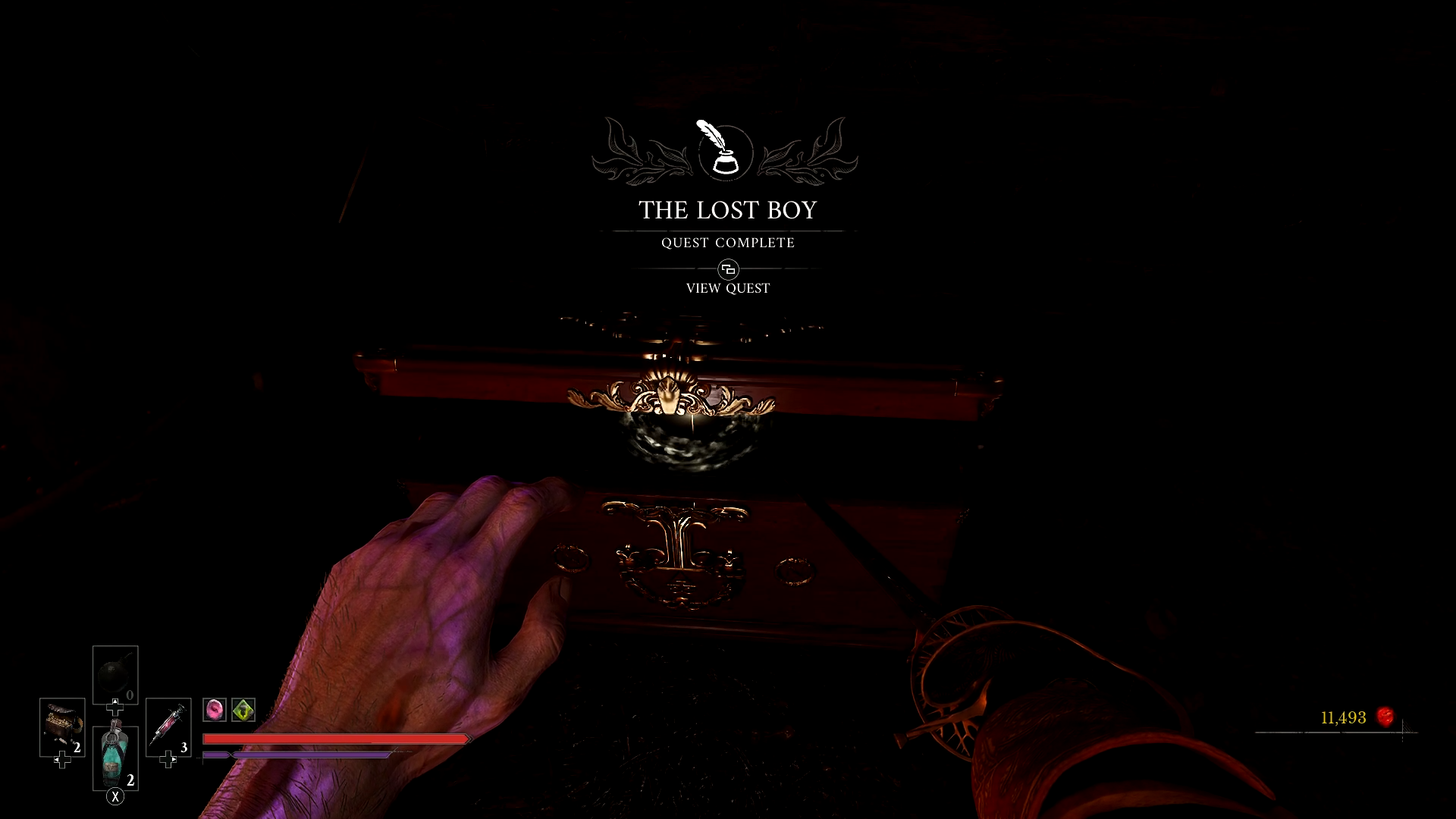
Due to this, I had to change how I played in terms of upgrading my character and becoming the strongest I could, but that wasn’t all, as I also had to be selective on what missions I accepted, as there aren’t millions of side quests, but there are enough that you think you could possibly hand one or two before needing to run off and save your family, but as the game goes on, you will slowly feel pressured by the days ticking away before your eyes.
This meant that as a gamer, I had to change from my complete everything before I finish the story mindset and instead had to focus more on the story and things that interested me or I knew provided good rewards in order to ensure I had enough time to save my family and see what the game had in store for me.

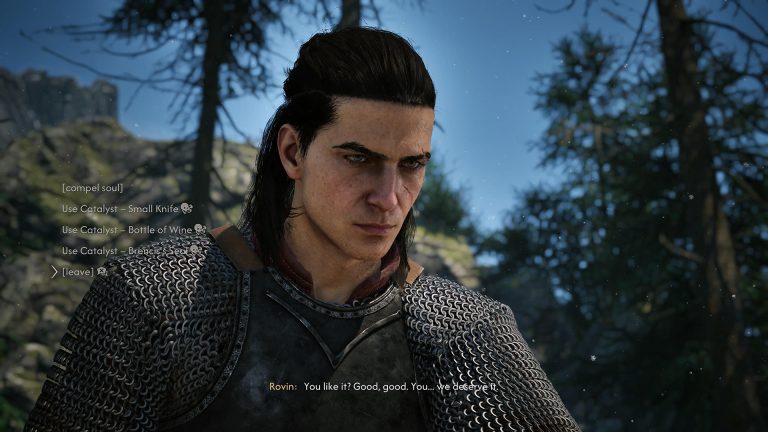
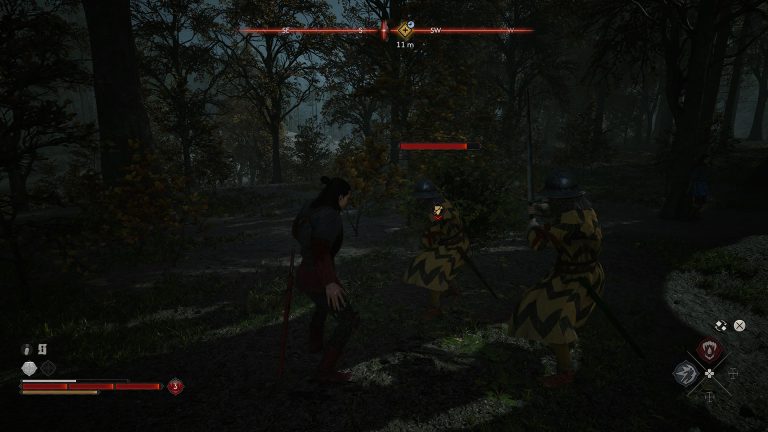
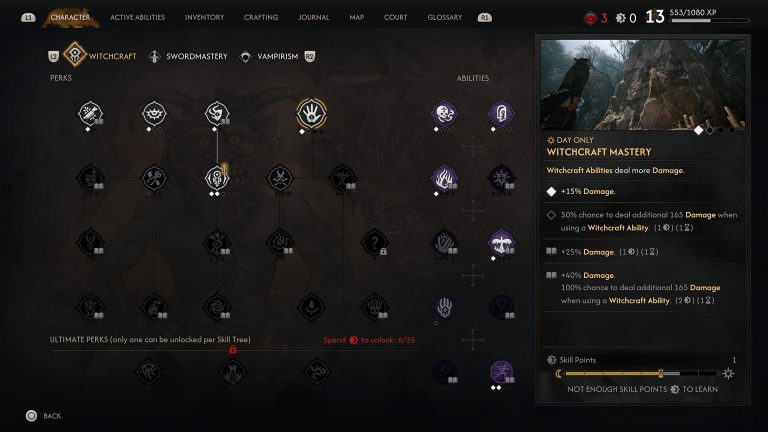
Other than that, the actual gameplay system was incredibly unique to me and allowed me to play the game in an entirely different manner than what I was used to, but due to my ADHD brain, I did find myself reverting to my old ways and burning some time segments on upgrades and side activities before realising I only have 20 days to save my family and have not even completed a third of the game.
Ignoring the Timer and Exploring Was a Lot of Fun in The Blood of Dawnwalker
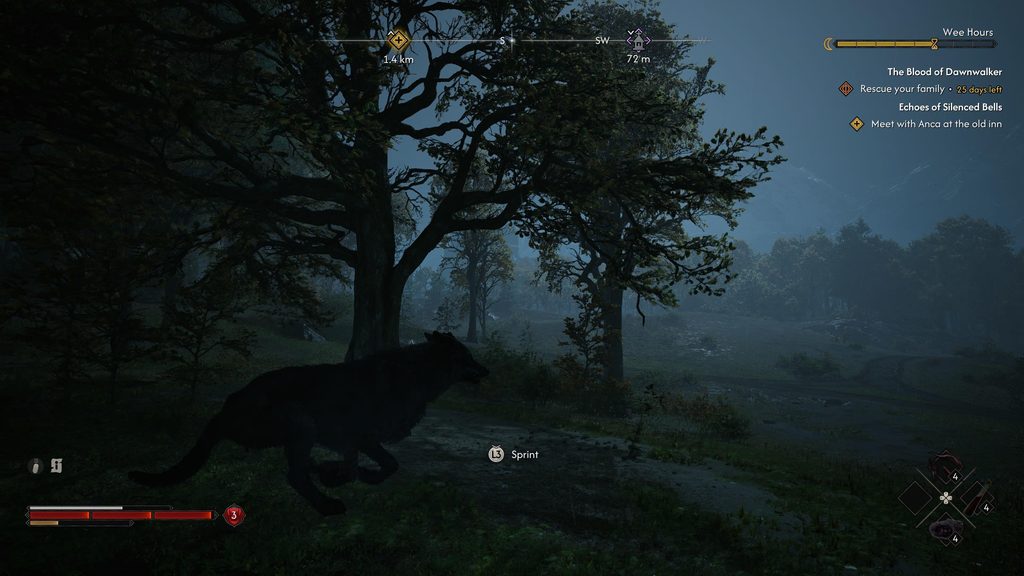
Now yes, above I did mention that due to the day and night cycle I was very limited in terms of how much I explored the game world, but that didn’t stop me, as I still wanted to get a feel for the world and the people living within it. Because of this, I still made sure that I did a fair amount of side quests and question marks within the game to see what this world had in store for me and if it was even worth it, and the best answer I can give was it was OK.
In terms of actually running around the game world, Rebel Wolves did an amazing job, as they provided plenty of traversal options for the player in the form of shadow step to teleport around and the two versions of haste that allow you to slow down time or turn into a goddamn wolf, which made simply running around the game world a load of fun, but once you actually got to some of the content, it was quite simple, as there are only a few variations of question marks that aren’t related to the story and are simply just things to do.
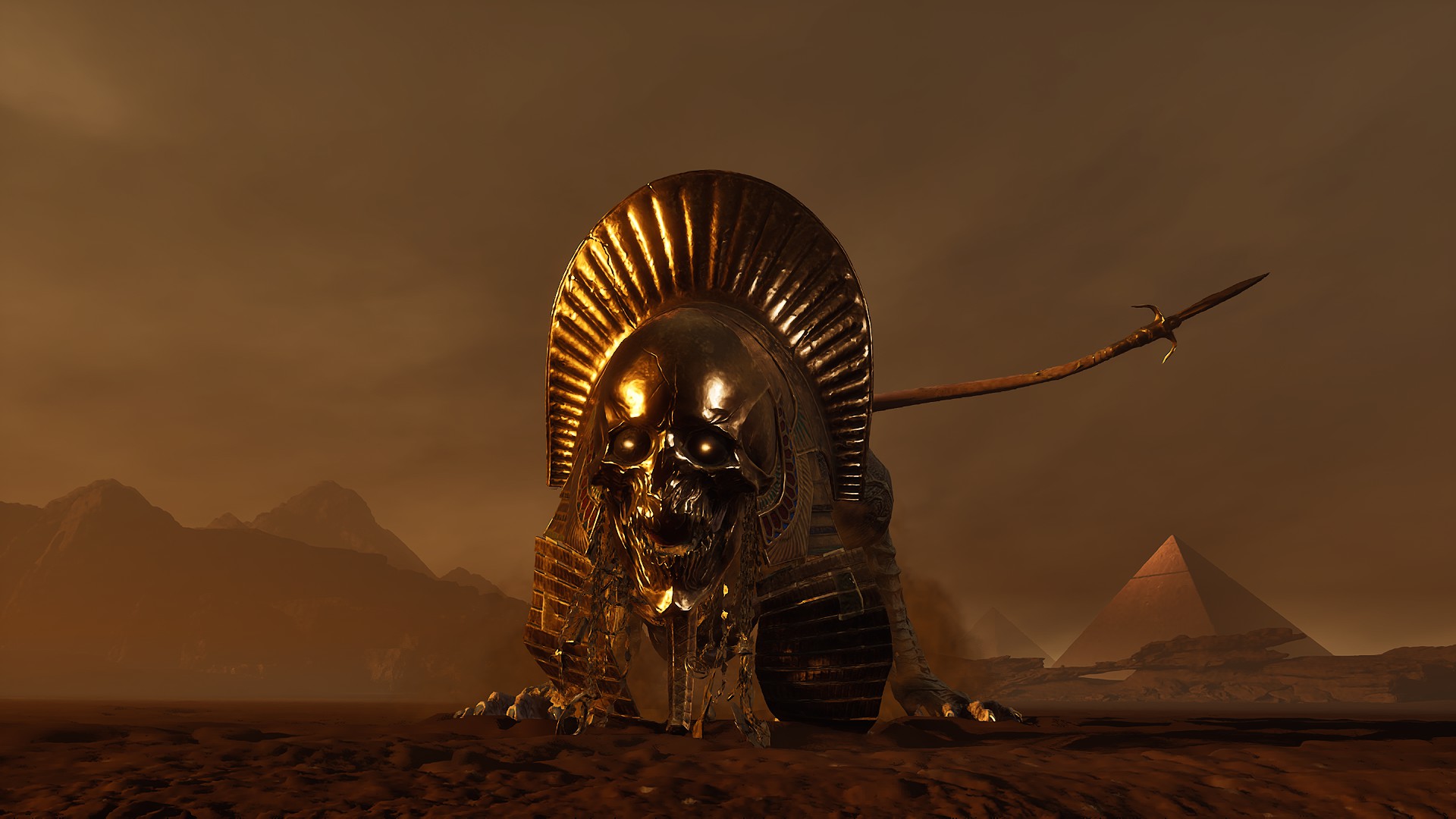
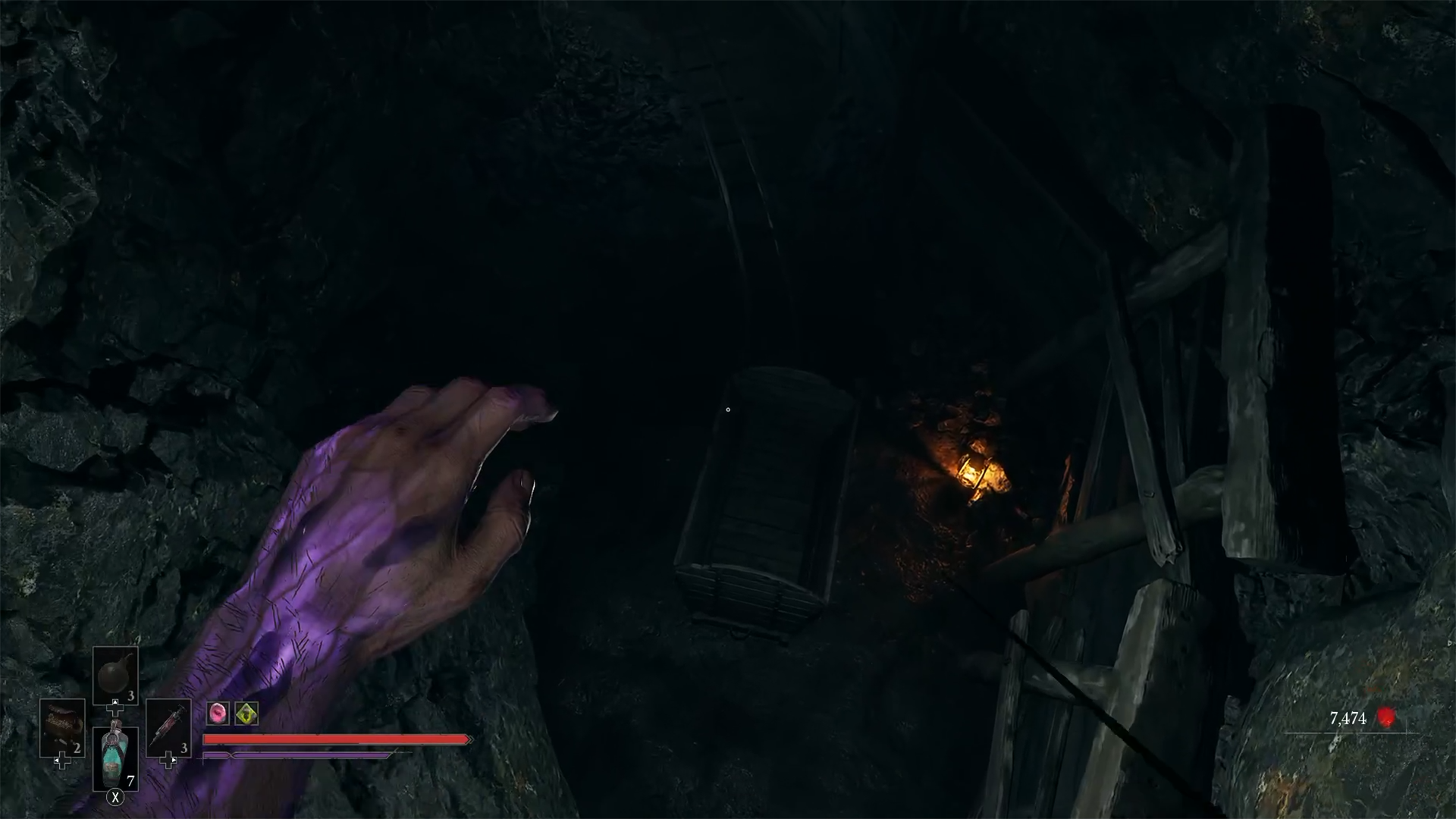
For example, two of the most common things you will find at these points of interest will either be a monster cave that holds challenging enemies such as bears, kobolds, and other challenging enemies, or you will find a communal gathering where you can summon enemies in a circular arena so that you can cleanse a chest. Other than these locations, you will only really come across story-based mini objectives that will help you to lure out the bosses of the game.
You can also find various villages and houses that hold merchants as you explore the game world, but these are very far and few between, as the game world isn’t that large with a city pretty much right in the centre of the map, so the only reason to use these other merchants is just until you get there.
For me, the biggest fun with exploring was just being able to run around at great speed and to enjoy the game world and its majesty, as the actual world is incredibly detailed with animals frolicking around, towns bustling with people and a reasonable amount of places to search to keep things fresh.
The Combat is a Gruelling Challenge With a Steep Learning Curve
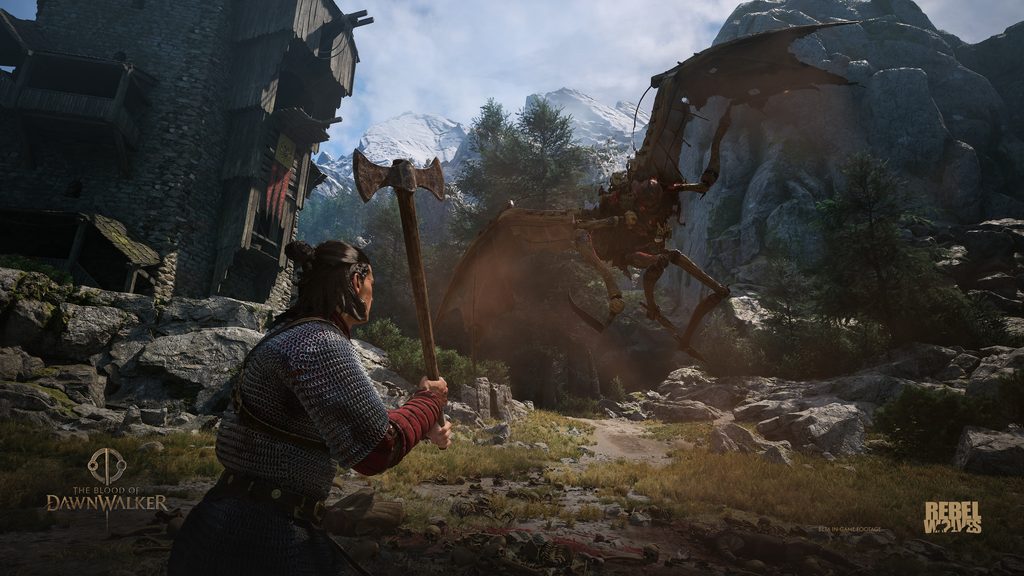
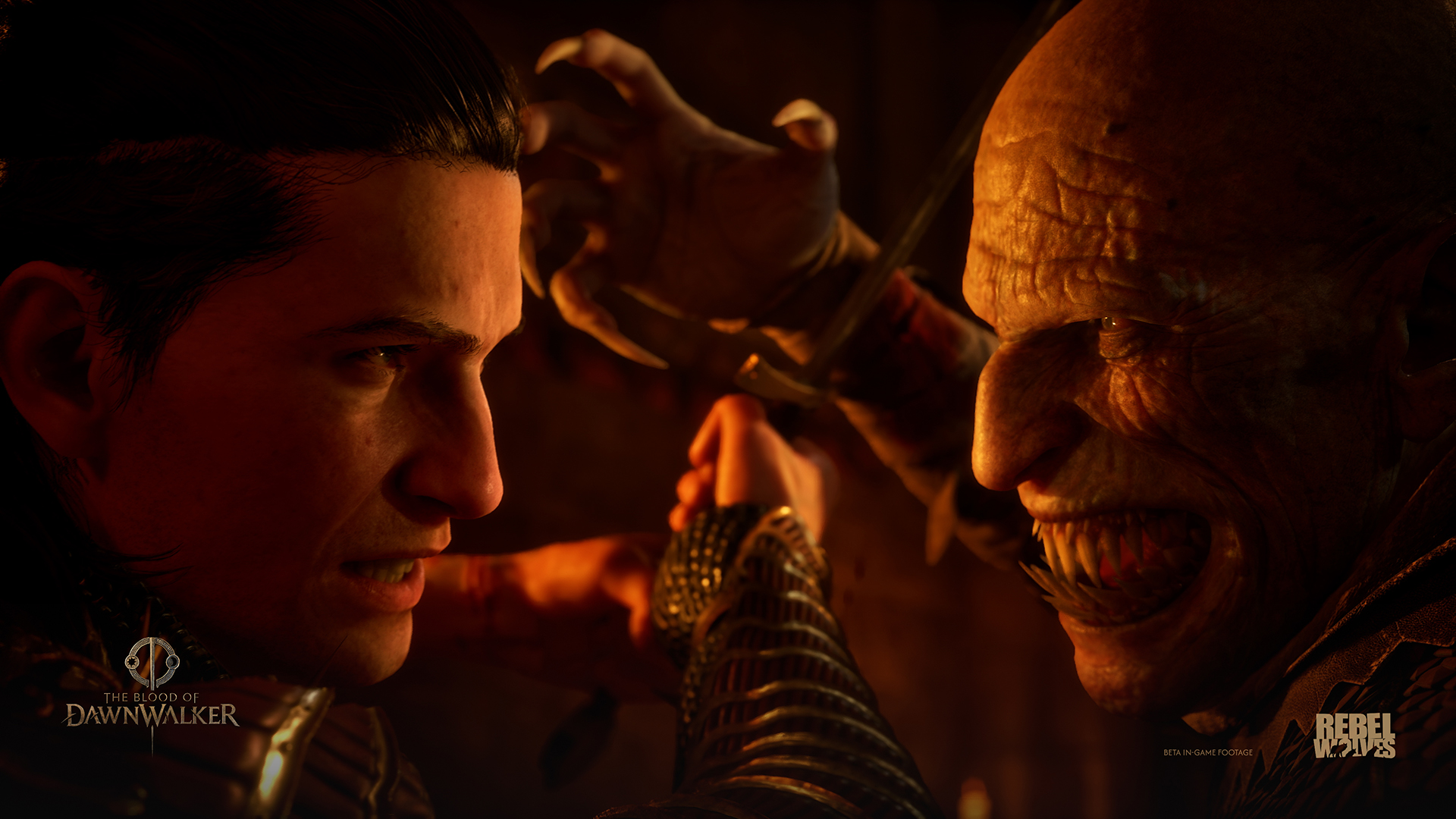
Once you begin The Blood of Dawnwalker, the biggest challenge you will come across will understandably be the combat, as there are quite a few mechanics at play that will easily confuse the player and will ultimately lead to a lot of early game deaths.
To best describe this combat system, it is very similar to For Honor‘s combat system, where the player can attack in one of four directions, up, down, left, and right, and so can the enemy. In order to protect yourself, you will need to use the block/parry button, which for me on PlayStation 5 was L1 in the correct direction in order to defend yourself in the most effective way possible. You could simply just hold L1 to do a standard block, but this would use a lot of stamina.
The main challenge with this is that to choose what direction you will defend from, you also have to use your left joystick, which yes also moves the player around when doing so. Because of this, you might get a bit disorientated, as you are pretty much doing two things at once, but after a good while practising and fighting smaller enemies, this combat system does slowly get easier when fighting enemies of equal strength, but once you try going for the bigger fish, you will regret you even tried.
What made this combat fun for me was that it wasn’t just a simple hack and slash game, but there are ways to improve your melee combat prowess through the skill tree, as you can gain perfect parry bonuses that will encourage you to defend yourself more than simply rushing in sword swinging.
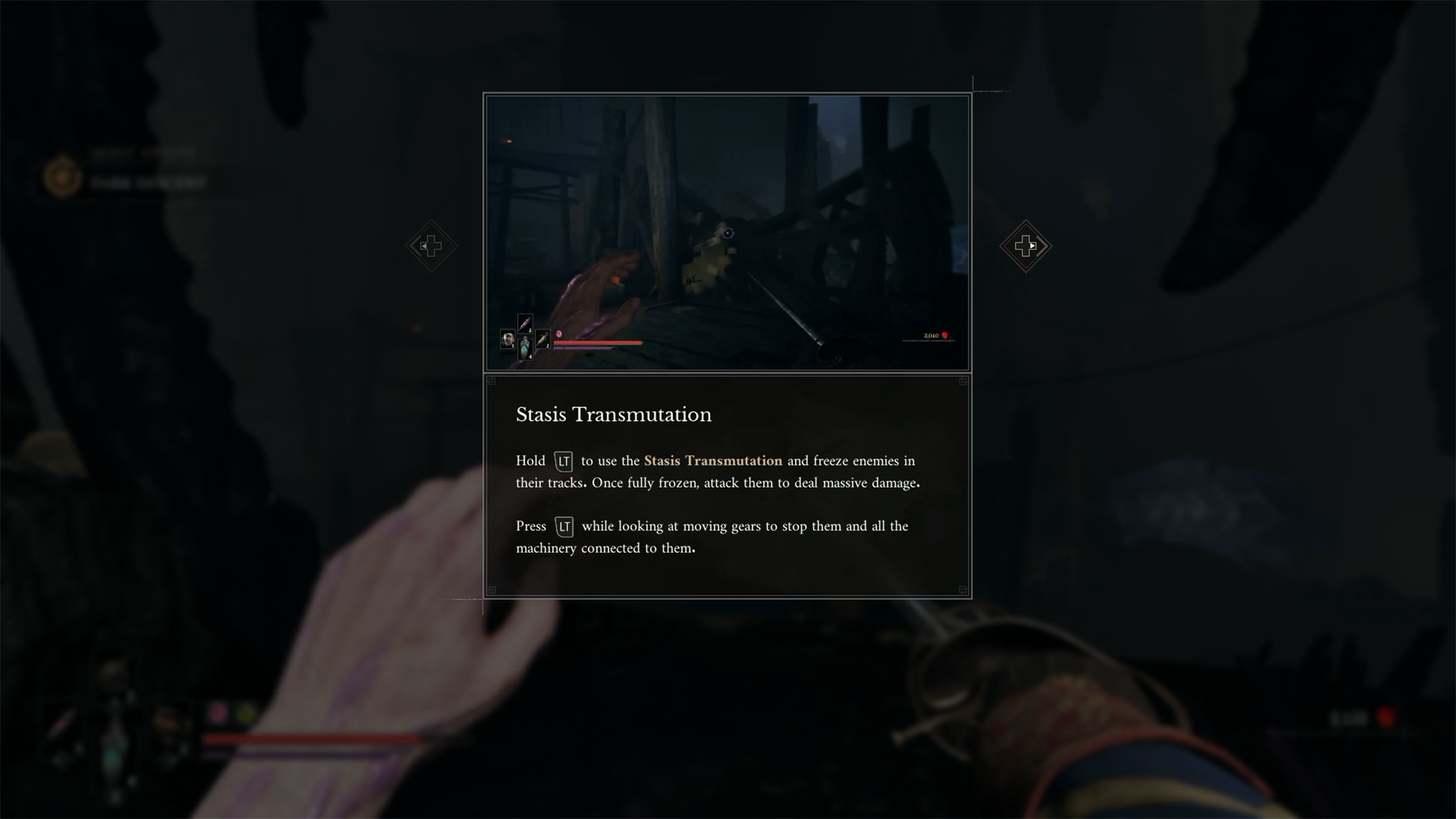
To make this even more fun, the game skills were a big addition to the game that I felt were strong enough to turn the tide, but during the early game, they had enough drawbacks that they weren’t a go-to source for survival. The reason behind this is because while you are in human form, to use any witchcraft, there is a blood cost, meaning that your character has to slice his own hand, sacrificing health, in order to cast a spell.
This meant that I was constantly weighing up my options as to whether or not it was worth even using said skill to gain the upper hand in battle or to wait it out and see if I could handle it with my sword and the sword skills that have no drawback. However, the witchcraft skills weren’t the only ones with drawbacks, as the vampire skills also suffered from these costs as well, but not as obvious as quite a few of these skills allowed you to heal after being hurt to use them. The drawbacks were equalised in a way.
Overall, the combat was a fun experience that definitely encouraged me to play in a few different ways while also making sure that neither the human form nor the vampire form felt stronger than the other so that I could enjoy both rather than simply waiting till I was in one of those two modes before taking part in combat.
The Story is Not a Happy One, With Many People Dying Either by Your Enemy’s Hand or Your Own
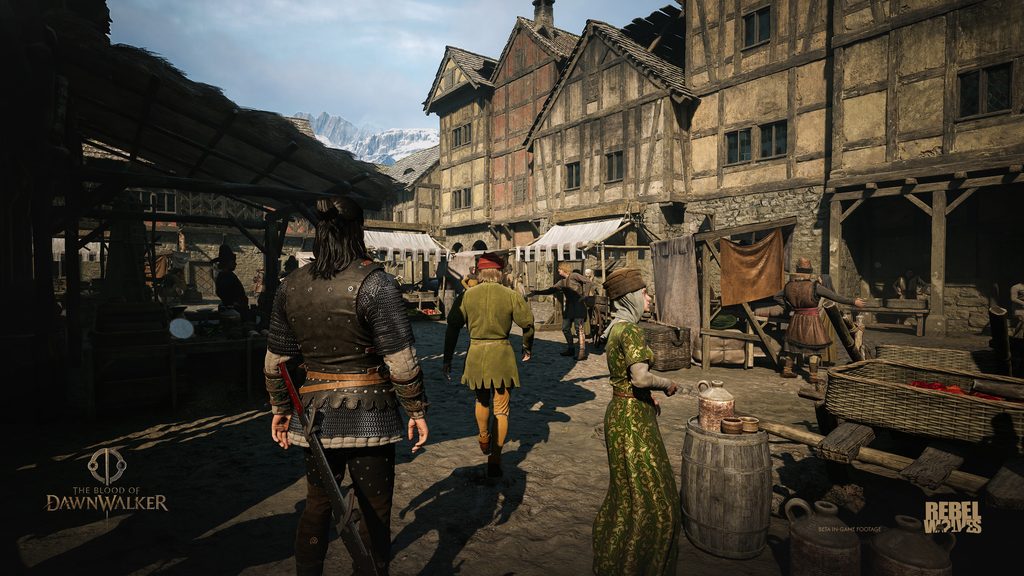
Now we get to the fun part of The Blood of Dawnwalker, and as always, I will avoid spoilers so that players can enjoy this experience at their own pace, but instead I will talk about the overall tone of the game’s story and how your actions played out throughout the game.
A large selling point for The Blood of Dawnwalker is that your actions will have consequences; whether you notice them now or later, you will eventually see your consequences come to light, and they will either be good or bad, but sadly in this case you will often come across a lot of bad consequences over good.
When it comes to freedom of choice, the player has so many options it is hard to know what is the right choice and what is the wrong choice, as most of the time you will be granted multiple actions while talking to characters and trying to solve their problems.
Whether it be help them with whatever they need doing, ignore them and send them on their way, or, in quite a few cases, give in to your hunger and drain them then and there, there are so many options for you to choose from, allowing you to play the game however you feel while also seeing what your choices become later in the game.
For example, there are situations in which you can save someone from being a prisoner or leave them to rot. If you save them, it could benefit you in numerous ways, but it will also lead you into a more difficult situation, or you could leave them in their situation, making the game overall harder for you, but that situation could be relatively simple.
All in all, the game does not stop you from making these decisions, and it actively encourages you to take the darker decision, as that is the overall tone of the game, as it’s not meant to be an overly happy story with unicorns and rainbows, but instead it is a dark and miserable story with characters dying along the way whether you save them or not, or whether it was your hand that killed them in the first place.
In terms of the overall story, I was massively impressed by how the developers were able to ensure that the player didn’t just feel as though their actions had no impact on the game world, as there are instances in which the more disruptive you are to the big bad’s plans, the harder the game gets for you, with enemies getting stronger, prices in shops going up, blockades being placed to slow you down, and so on. The world feels incredibly alive, and you aren’t just doing objectives for the sake of it, but you are actually impacting the lives of these “villains” and thwarting their plans.
A key thing for me is that being the good guy or the bad guy isn’t an easy path to walk, as there is no direct good or bad decision within the game; no matter how right you feel when you make a decision, there is no telling how that decision will impact the rest of the game, which decisions are coming back to haunt me hours after making them.
Although I won’t spoil the story itself, I will say that it is an incredible experience from start to finish, as I had an absolute blast learning about the various characters, exploring the game world and dealing with the roadblocks placed in my path, and just generally learning about the world I was exploring in and how it unfolds before me.
The Blood of Dawnwalker
Summary
While I played through The Blood of Dawnwalker, I had a fantastic time exploring the game’s open world as I fought the numerous monsters and humans in gruelling combat with fantastic abilities that look as cool as they feel. I was also able to enjoy the large story with its numerous consequences and choices that lasted the entire game. Although the gameplay is fun it can get repetitive doing the same side content, but it is very far and few between allowing a break between them.
- Story was interesting and fun to see how the choices impacted the ending.
- World was a lot of fun to explore with unique abilities to do so.
- Day and night cycle was innovative and creative making a new gameplay style for me.
- Points of interest were very repetitive.
The Blood of Dawnwalker is set to release on PlayStation 5, Xbox Series X/S and PC on 3rd September 2026.
For your next read, why not check out our tips and tricks guide for The Blood of Dawnwalker if you are looking to give the game a go, or check out our article that talks about the Warlock showcase that we experienced at Gamescom?
Thumb Wars reviews every game based upon the structure of our review policy, and every review is on OpenCritic.

Liam is a Senior Editor, Writer, and Critic for Thumb Wars and has been working with the team since day one. Liam is a big fan of all things gaming, as you will catch him playing all of the new releases from every genre you can imagine. Whether you find Liam gaming just for fun or spending his free time streaming, you will always find a smile on his face when it comes to all things gaming.